
Brunswick · Medina · Strongsville · North Olmsted
Ceiling Water Damage Repair in Brunswick, OH
Tap to call · answered 24/7(330) 997-8922Our local water damage professionals assess ceiling leaks, dry wet cavities, and repair damaged drywall in Brunswick. Call now about spreading stains, dripping paint, or a sagging section, and keep clear of the affected area.
- Calls answered 24/7
- Ceiling Water Damage Repair
- Brunswick and nearby towns
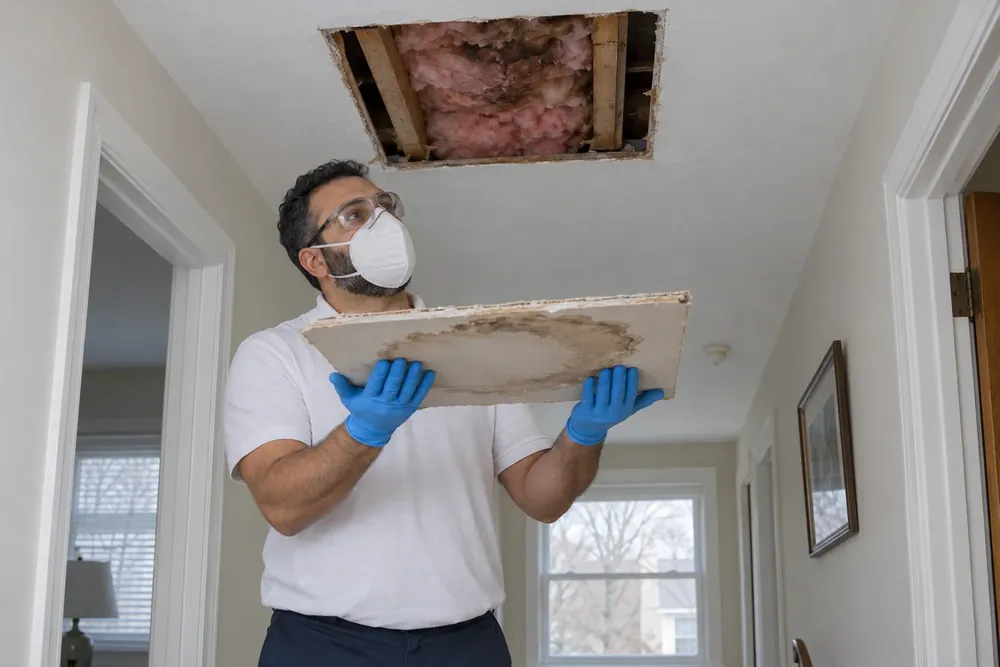
Ceiling Leak Assessment, Drying, and Drywall Repair
- Call about the ceiling stain or active dripping.
- Keep people away from any sagging section.
- Describe the room or roof space directly above.
- Visible damage: Stains, paint bubbles, and sagging mark areas needing inspection. Your technician measures moisture rather than treating discoloration alone.
- Source tracing: An upstairs bathroom or laundry leak needs plumbing attention; a roof leak needs roof repair. Ice dams can trap melting snow and send water into ceilings and insulation, so winter roof leakage needs attention above the room too.
- Unsafe sagging: Wet, weakened ceiling panels may fall. The affected space stays clear while the damage and safe access are assessed.
- Drying or removal: Sound materials may be dried when conditions allow. Soft, distorted drywall or inaccessible wet layers may require removal instead.
- Insulation above: Wet insulation is assessed along with the framing and cavity. Repair the ceiling after water damage has been measured and the retained materials have dried.
Ceiling Changes That Need Water Damage Assessment
- Call about a stain that grows or returns.
- Look for water damage on the ceiling around light fittings.
- Notice peeling paint or bubbles without pressing them.
- Keep clear of a bowed panel or opening seam.
- Report drips that follow bathroom use or melting roof snow.
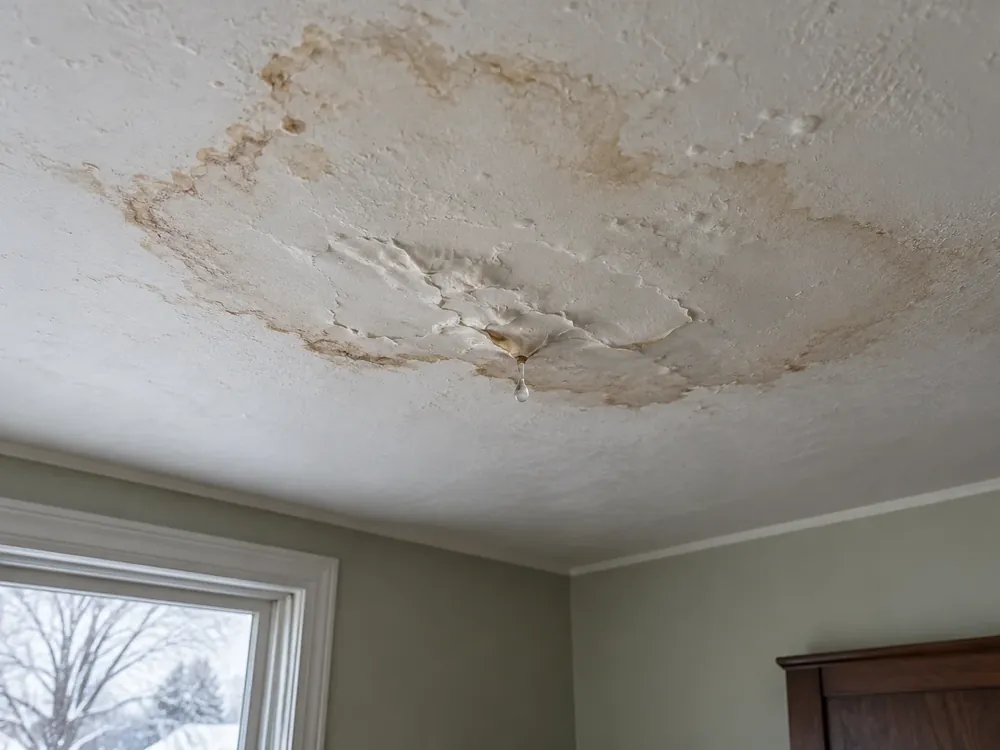
The timing of a drip helps direct the search for its source. Spreading stains and distorted panels also show where moisture checks are needed, including insulation above the visible surface. Don't press on a ceiling to test its strength or stand underneath a sag to inspect it.
How Ceiling Cleanup and Repair Proceed
- Call with the room location and describe any dripping, sagging, or wet light fixtures from outside the affected area.
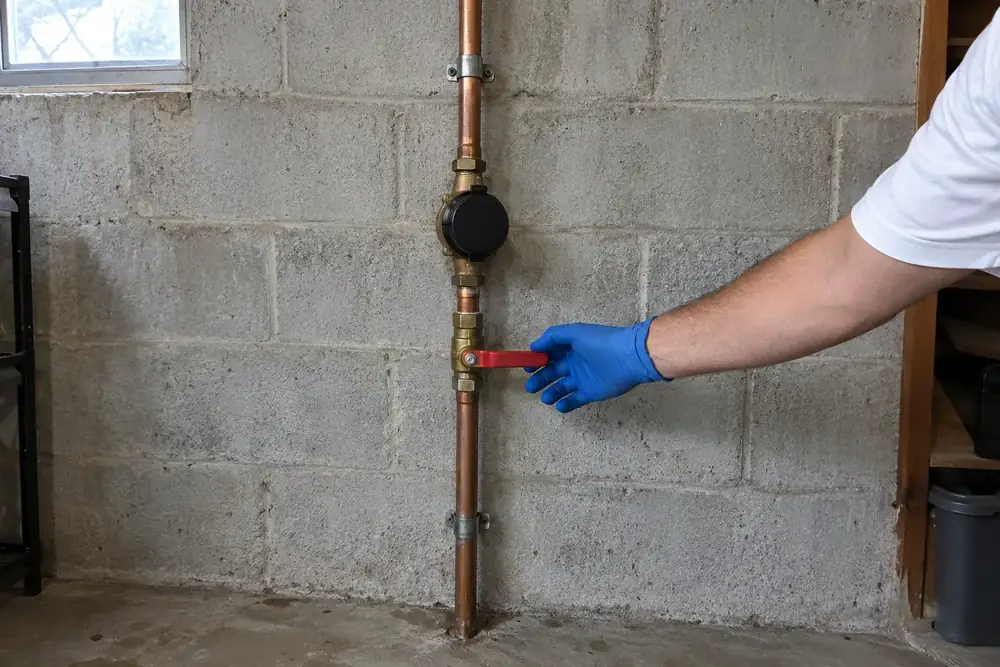
- Review your technician's findings on ceiling moisture, wet insulation, and the plumbing or roof work needed to stop incoming water.
- Authorize the stated scope for safe material removal and cavity drying, including protection for the room beneath the ceiling.
- Review drying measurements and agree on replacement drywall and finishing once the leak is corrected and retained materials are dry.
Closing a ceiling too early hides moisture above the new surface. Drying checks establish when repair work should move forward.
What Affects Ceiling Repair Costs in Brunswick
- Discuss the ceiling area and number of rooms affected.
- Ask whether insulation or framing needs drying.
- Review access height and protection for the room below.
- Separate leak-source repairs from drywall and finishing work.
The cost of ceiling water damage repair changes with hidden moisture, removal needs, and the finish being restored. Before work is authorized, one of our local water damage partners reviews the ceiling scope and explains what each part costs. Read the water damage cost factors for the differences between drying wet materials and replacing damaged finishes.
Why Homeowners Call About a Wet Ceiling
- Call as soon as dripping or sagging appears.
- Describe the ceiling from beyond the wet area.
- Ask how the cavity will be checked before patching.
- Around-the-clock calls: Calls answered 24/7 let you report a ceiling leak whenever it appears.
- Local assessment: Water damage professionals serving Brunswick inspect the visible panel and moisture above it.
- Explained work: Removal, drying, and ceiling finishing are described with the price before work begins.
- Documented condition: Photographs and moisture measurements record the affected surface and drying progress.
A ceiling patch needs a dry cavity and a corrected leak source. Inspection connects those requirements to the repair plan.
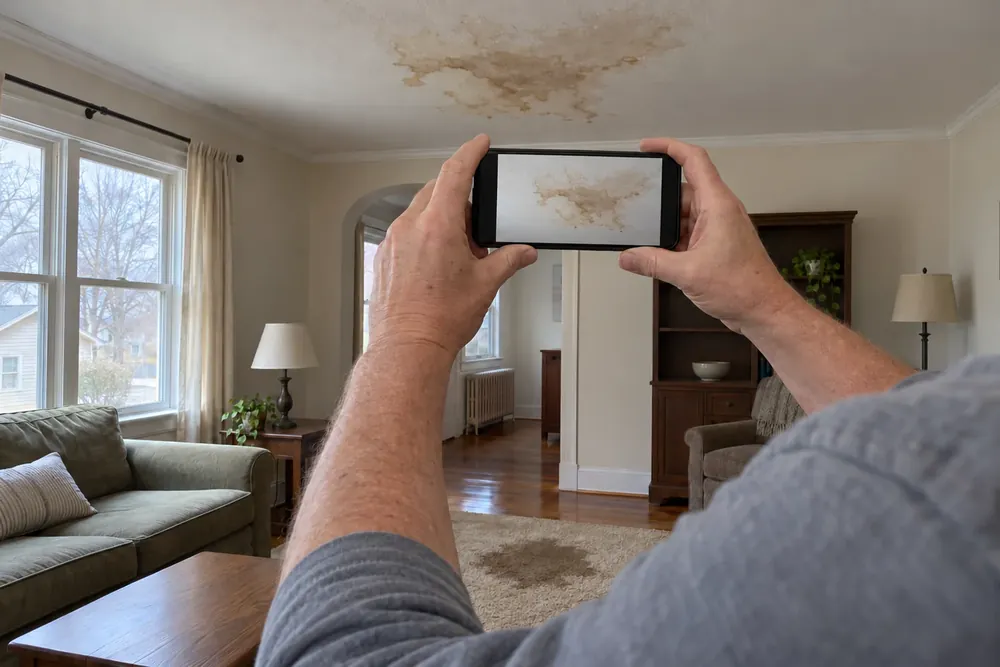
Documenting a Wet Ceiling and the Space Above
- Call about the leak and photograph it from outside the hazard area.
- Record ceiling stains and nearby belongings before anything moves.
- Save moisture measurements with the written ceiling repair scope.
- Keep safe evidence of removed panels or photographs of them.
Date each photograph and note the room where it was taken. Pictures of the ceiling surface and opened cavity describe different parts of the damage, so retain both when safely obtained. The water damage documentation guide helps keep the records organized for insurance.
Keeping Clear of Ceiling Leak Hazards
- Call now from another room and avoid wet switches or fixtures, following CDC electrical safety advice.
- Do not reenter a flood-damaged home until a building inspector has examined it for safety, following CDC reentry precautions.
- Use a battery flashlight instead of candles around the damaged area, as recommended by CDC reentry guidance.
- Leave power restoration to an electrician after water affects the electrical system, following CDC power-restoration guidance.
A ceiling leak can reach wiring while weakening the panel beneath the wet cavity. Keep the space below clear and avoid climbing a ladder to poke, cut, or drain the damage yourself. Arrange the call from a safe position while the affected room remains out of use.
Related Water Damage Services
Areas We Serve Around Brunswick
Ceiling leak assessment and repair covers Brunswick and homes in Medina, North Royalton, and Strongsville. Report the stained room and any known plumbing or roof leak during the call.
Call now about your wet ceiling and describe any sagging, dripping, or nearby electrical fixtures.
Call (330) 997-8922Ceiling Water Damage Repair FAQs
What does ceiling water damage look like?
Ceiling moisture can show as brown rings, bubbling paint, peeling finishes, or a panel that sags. An active drip may appear after an upstairs fixture runs or snow melts on the roof. The visible mark doesn't measure moisture above the ceiling. Call about the changes and keep clear of bowed or weakened panels.
Who should I call for ceiling repair after water damage in Brunswick?
Call Juniper Water Damage to arrange assessment, drying, and repair of the affected ceiling. A plumber handles an upstairs plumbing leak, while roof repair addresses water entering from above. Your technician explains which ceiling materials need drying or replacement. Tell the person answering about wet light fixtures or sagging so those hazards are included in the discussion.
Can water damage cause a ceiling to collapse?
Water can weaken ceiling materials enough for a damaged section to fall. Sagging, distorted seams, or a bulge are reasons to stay out from underneath rather than test the surface. Keep children and pets away and call from another room. Inspection determines the safe approach to removal and the condition of the materials above.
Can I fix ceiling water damage with new paint?
Paint alone doesn't stop a leak or dry wet drywall and insulation. A stain may be refinished after the source is repaired and moisture checks show retained materials have dried. Soft or sagging drywall may need replacement. For a Brunswick ceiling, the repair scope should explain drying, removal, and finishing as separate tasks.
What causes a ceiling leak below a bathroom versus an attic?
A leak below a bathroom may come from plumbing or a fixture, while attic-side leakage may originate at the roof. Ice dams also allow backed-up meltwater to reach ceilings and insulation. Where and when dripping appears helps guide inspection, but the stain's position alone doesn't establish the source. Report those observations during your call.