
Twinsburg, Ohio
Water Damage Restoration in Twinsburg, OH
Tap to call · answered 24/7(330) 997-8922Our local water damage professionals remove standing water and dry affected rooms in Twinsburg. Call now about a spreading leak, soaked carpet, or a basement filling with water, and your technician takes it from there.
- Calls answered 24/7
- Water damage restoration
- Serving Twinsburg and nearby
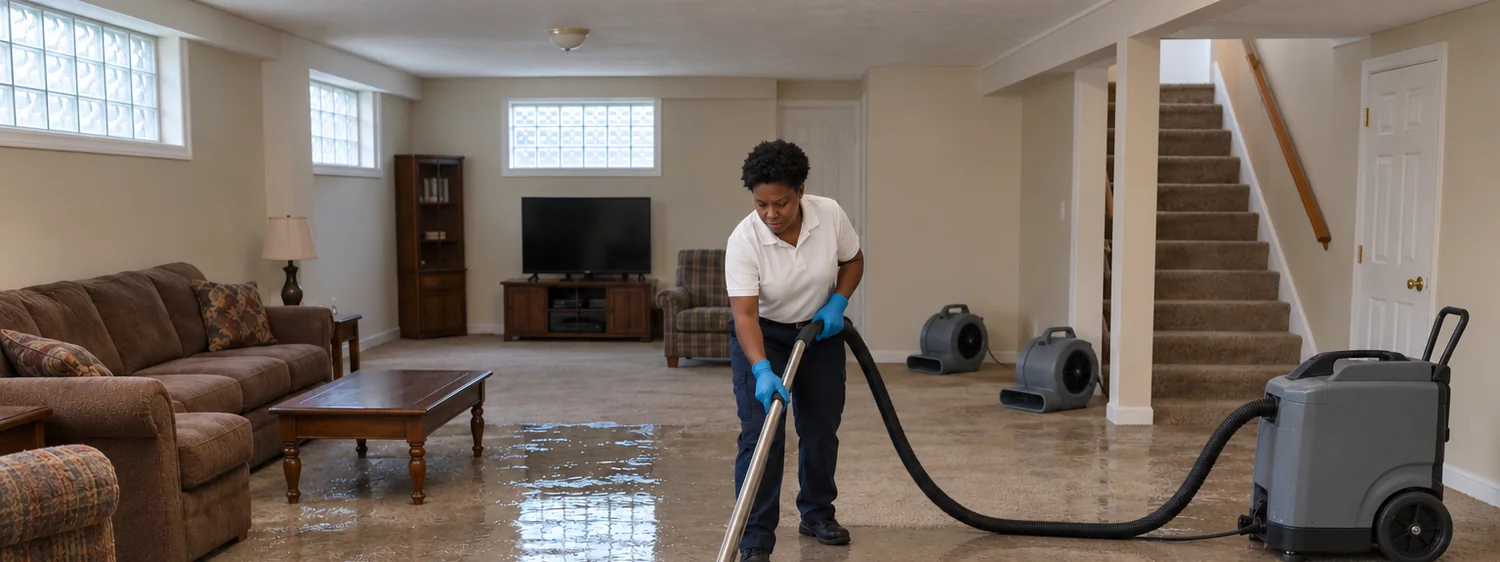
Water Extraction and Drying Services in Twinsburg
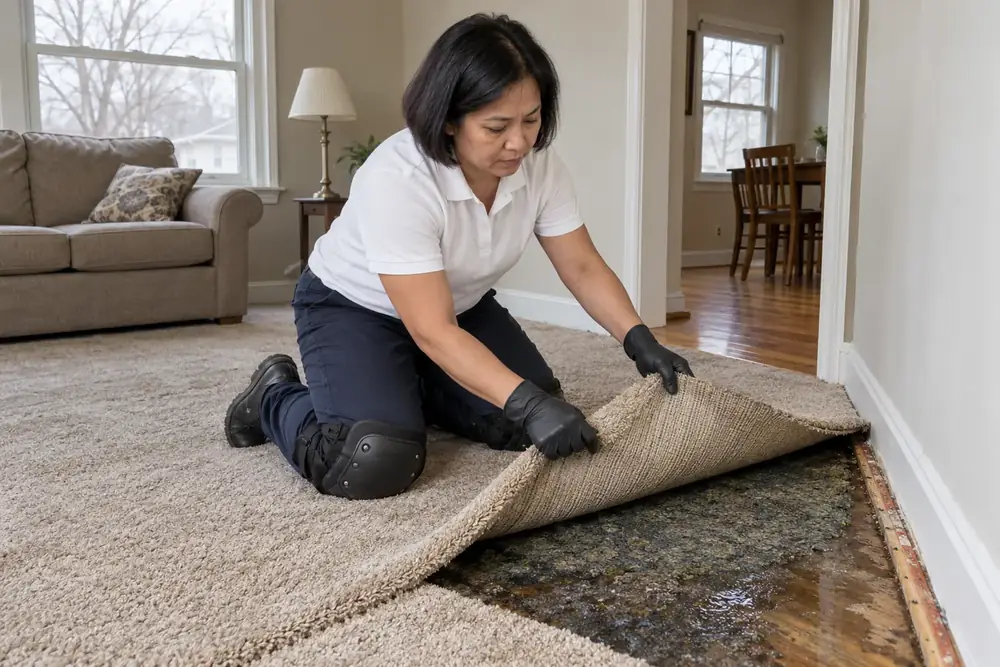
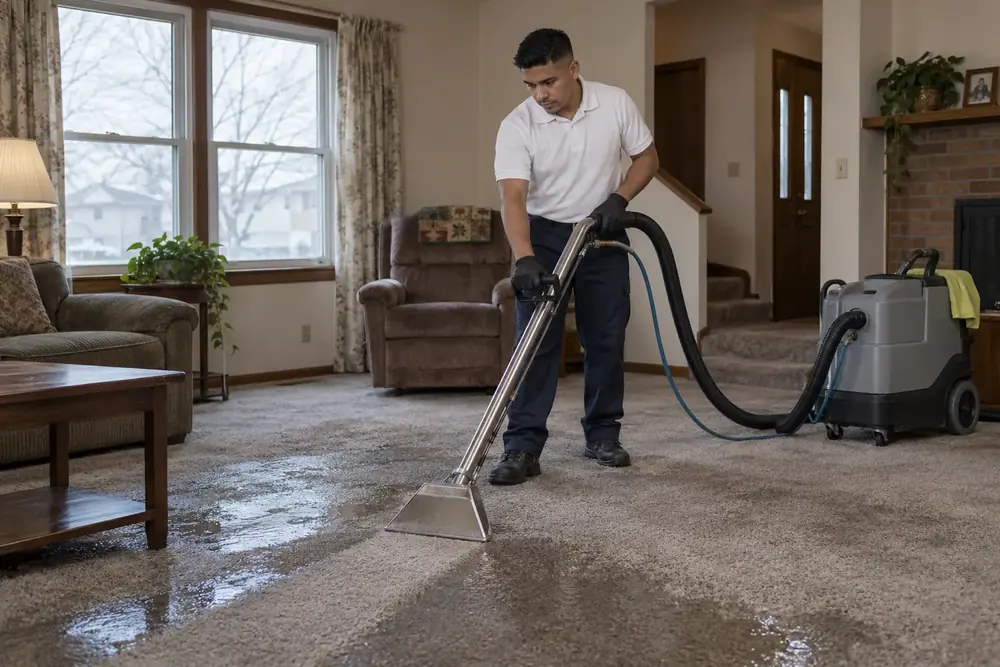
Twinsburg wet carpet drying includes checking the pad and floor underneath, alongside moisture testing of nearby walls. Cleanup also addresses basement water, ceiling leaks, and damage that extends beyond the visible puddle.
Sources of Water Damage in Twinsburg Homes
- Call about the leak or pooling water now.
- Close the household water shutoff if you can reach it safely.
- Keep away from wet outlets and submerged appliances.
- Describe any water rising through a drain.
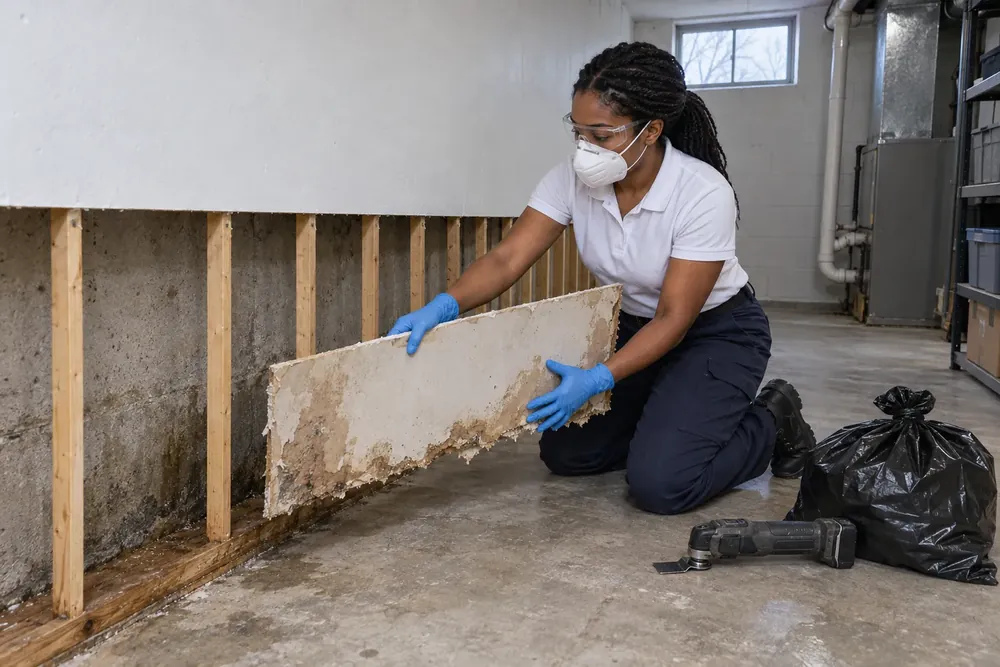
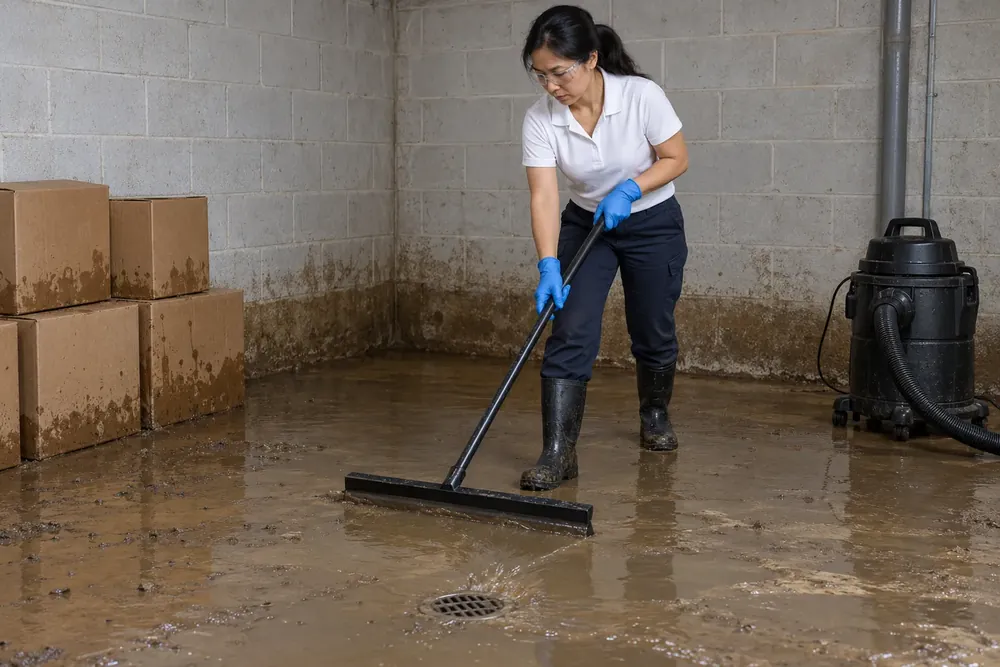
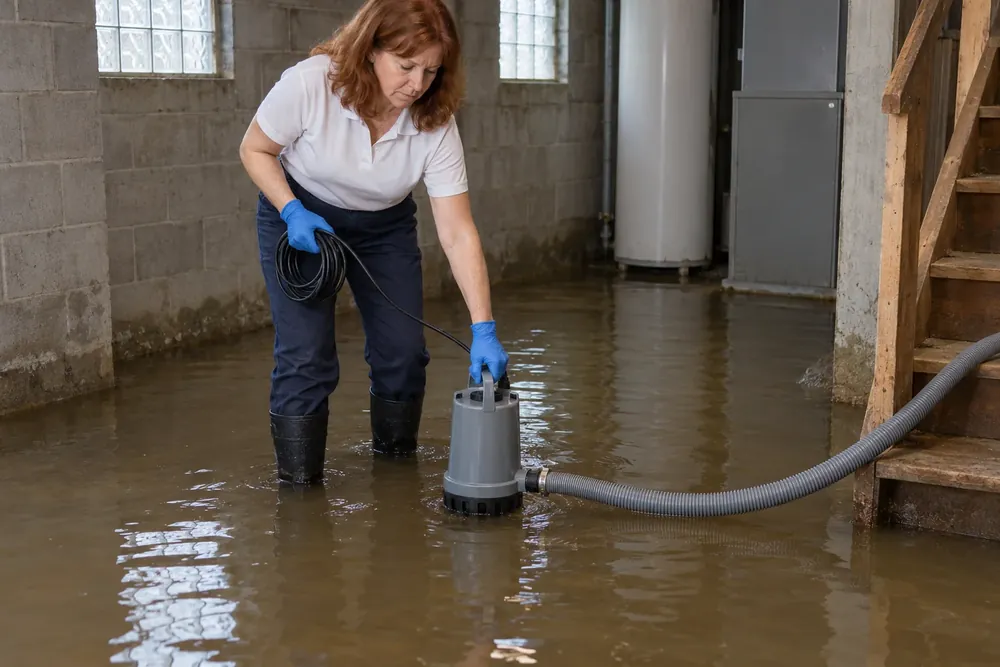
Basement water removal in Twinsburg starts with identifying how water entered. A leaking supply pipe, overflowing washer, stopped sump pump, or water coming through a window opening each needs a different source repair. Your technician checks the affected materials while that repair is arranged. Carpet edges and baseboards can hide moisture after the surface looks better, so water damage mitigation in Twinsburg includes checking beyond the wettest spot.
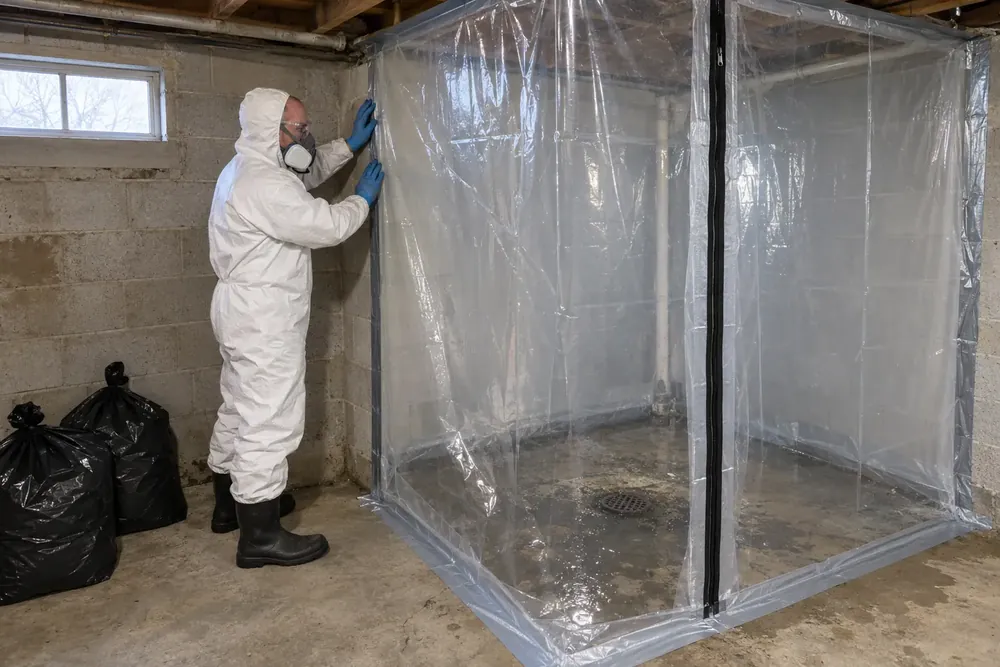
The city's public works pamphlet directs residents experiencing sewer backups to Twinsburg's emergency wastewater line. Report water coming up through a floor drain while arranging cleanup. Keep people and pets out of the affected room, and leave contaminated materials for assessment rather than carrying them through dry rooms.
From Your Twinsburg Call to Dry Rooms
- Call and describe your Twinsburg address, the affected room, and whether water is still entering; share any observations during the conversation.
- Review the inspection findings, proposed work, and charges with one of our local water damage partners before cleanup begins.
- Let your technician assess contamination, remove standing water, and check wall and floor moisture; report sewer backups to Twinsburg's wastewater emergency line alongside the cleanup call.
- Follow the drying plan through repeat moisture checks, then review which finishes need repair or replacement once the affected materials meet the drying goals.
Twinsburg Water and Sewer Contacts for Cleanup
Water Supply Leaks and Cleveland Water
- Call for cleanup as soon as indoor water spreads.
- Share whether the leak is inside or outside the house.
- Leave street valves and utility equipment alone.
Twinsburg's utility directory identifies Cleveland Water as the water contact and lists a separate water emergency number. A suspected public main problem belongs with that utility while your technician assesses the indoor damage. Describe the visible location without guessing which buried pipe has failed. A plumbing repair and removal of water from carpet, wall cavities, or flooring are separate parts of getting the home dry.
Sewer Backups and the City Wastewater Line
- Arrange cleanup when wastewater enters a room.
- Stop using fixtures that feed the backing-up drain.
- Keep a record of where the water first appeared.
The city's pamphlet names Twinsburg's emergency wastewater line for residents experiencing sewer backups. Reporting the backup gives the city information about the sewer problem; the indoor cleanup still needs its own inspection. Tell your technician whether the water rose at a floor drain, toilet, or laundry connection. The entry point helps shape containment and material removal, but it doesn't establish the cause by itself.
Neighborhoods We Serve in Twinsburg
- Call with your street address and affected floor.
- Include your subdivision name during the conversation.
- Describe the safest route into the wet room.
Twinsburg's official plat records identify Boulder Brook, Fox Hollow, and Whispering Woods. Those subdivision names help describe your location when arranging service; share the actual entry point and affected room so the inspection follows the damage inside your home.
Also serving near Twinsburg:
Call now about water in your Twinsburg home and start with the room where the damage appeared.
Call (330) 997-8922Twinsburg Water Damage FAQs
What does emergency water removal in Twinsburg include?
Emergency removal includes assessing the water source, extracting standing water, and checking what remains wet. Twinsburg lists Cleveland Water for water emergencies in its public works directory, so report a suspected main problem alongside the cleanup call. Indoors, your technician identifies affected surfaces and the drying work needed after extraction.
Is flooded basement cleanup in Twinsburg possible after a sewer backup?
A basement affected by a sewer backup needs contamination assessment, water removal, and a decision about damaged materials. The city's public works pamphlet directs residents with backups to its emergency wastewater line. Report the drain involved while arranging cleanup, avoid using connected fixtures, and keep everyone away from the wastewater.
How long does restoration take when the basement carpet is wet?
Restoration time depends on moisture beneath the carpet, how far water entered the walls, and whether materials need replacement. Your technician uses moisture readings to track drying rather than relying on the carpet's surface feel. Ask which checks mark the end of drying and which repairs follow afterward.
What should I document for insurance after water enters my Twinsburg home?
Keep photographs, a timeline of the leak, moisture readings, and the written cleanup scope. Make notes from a dry location while you call; documentation doesn't need to delay arranging removal. Save records of affected rooms and discarded items, and request copies of drying measurements for your insurance documentation.
Do I need a plumber or water damage cleanup, and what affects repair cost?
A plumbing leak may need both a plumber to repair the source and cleanup to remove water and dry the building materials. Costs depend on the wet area, contamination, access, material removal, and later repairs. Ask for separate descriptions of source repair, drying, and rebuilding so each part of the work is clear.