
Brunswick · Medina · Strongsville · North Olmsted
Emergency Water Extraction in Brunswick, OH
Tap to call · answered 24/7(330) 997-8922Standing water in a Brunswick room needs emergency water removal before drying tackles moisture in the materials. Our local water damage professionals extract pooled water and check the wet layers; call now to start the cleanup plan.
- Calls answered 24/7
- Emergency Water Extraction
- Brunswick and nearby towns
Emergency Water Extraction Services in Brunswick
- Call about pooled water or saturated carpet now.
- Keep a dry route clear for access to the affected room.
- Leave electrical equipment alone if water has reached it.
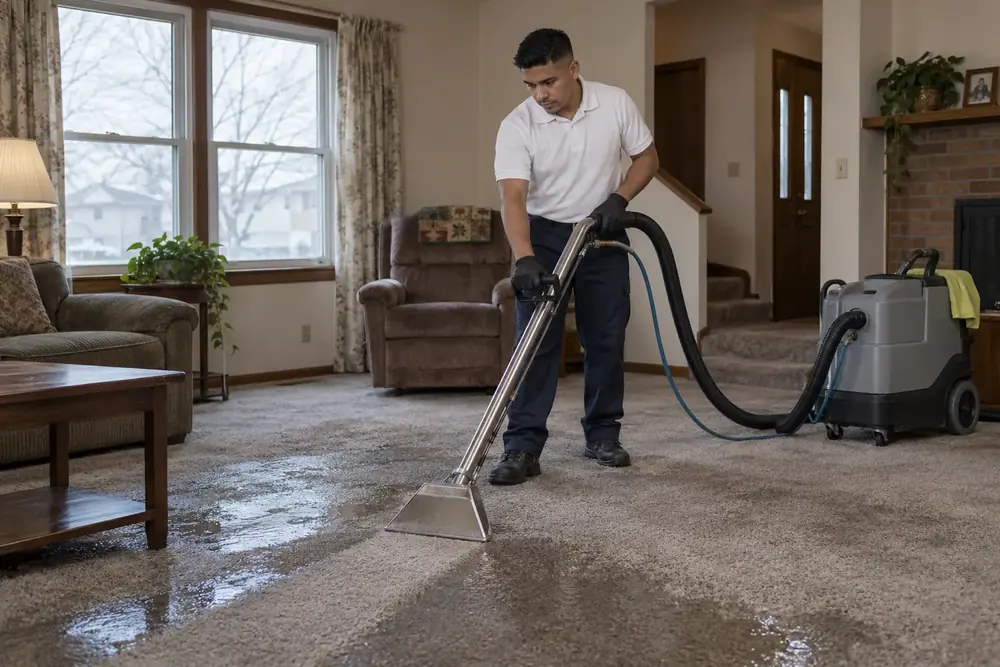
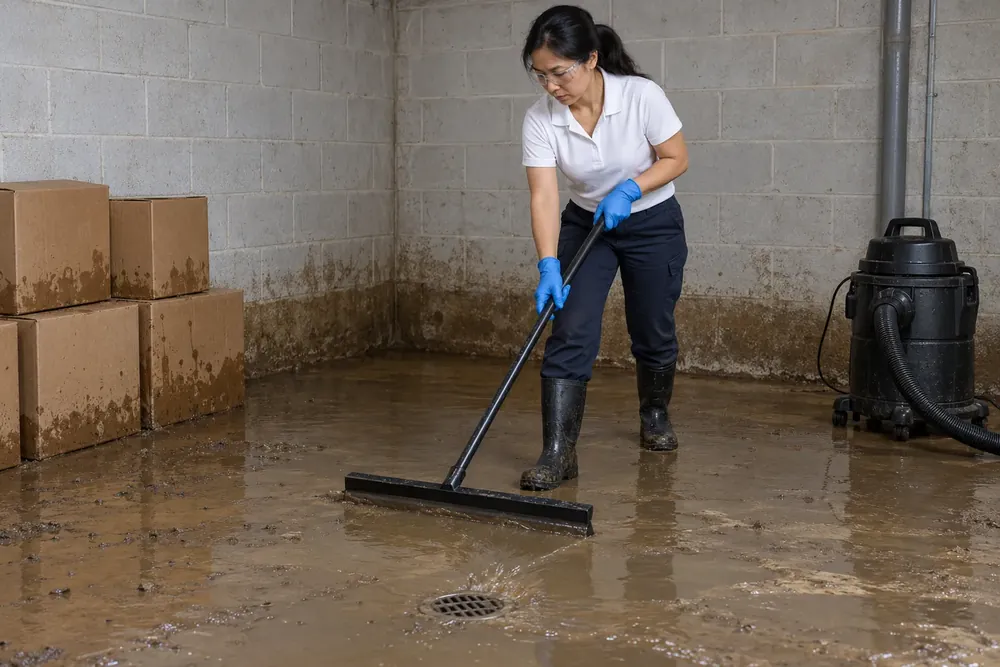
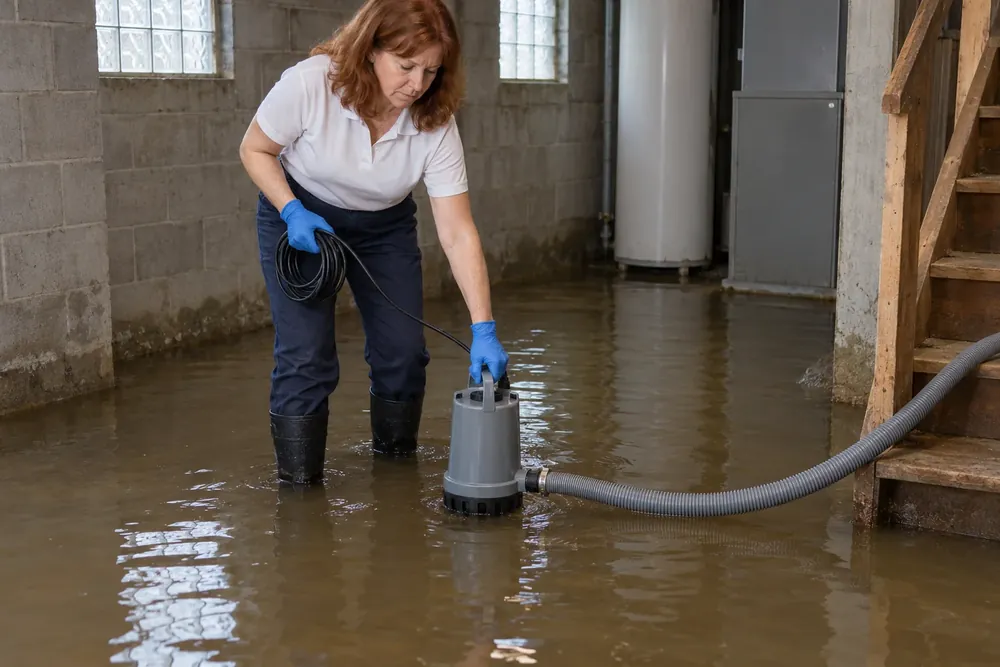
- Standing water removal: Your technician extracts pooled water from accessible floor surfaces and saturated carpet after assessing the source and safety conditions.
- Equipment suited to access: Truck-mounted extraction or portable equipment handles the wet space according to access, water volume and the surfaces involved.
- Extraction before drying: Pulling out liquid water reduces the moisture that air movers and dehumidifiers must address during the drying stage.
- Carpet pad assessment: Wet padding is checked separately from the carpet because the hidden layer may retain water or require removal.
- Safe steps while help is coming: Shut off power at the panel only when the panel and surrounding area are dry and safely reachable; otherwise keep out and call an electrician.
Signs Your Home Needs Emergency Extraction
- Call about water spreading across a floor or through carpet.
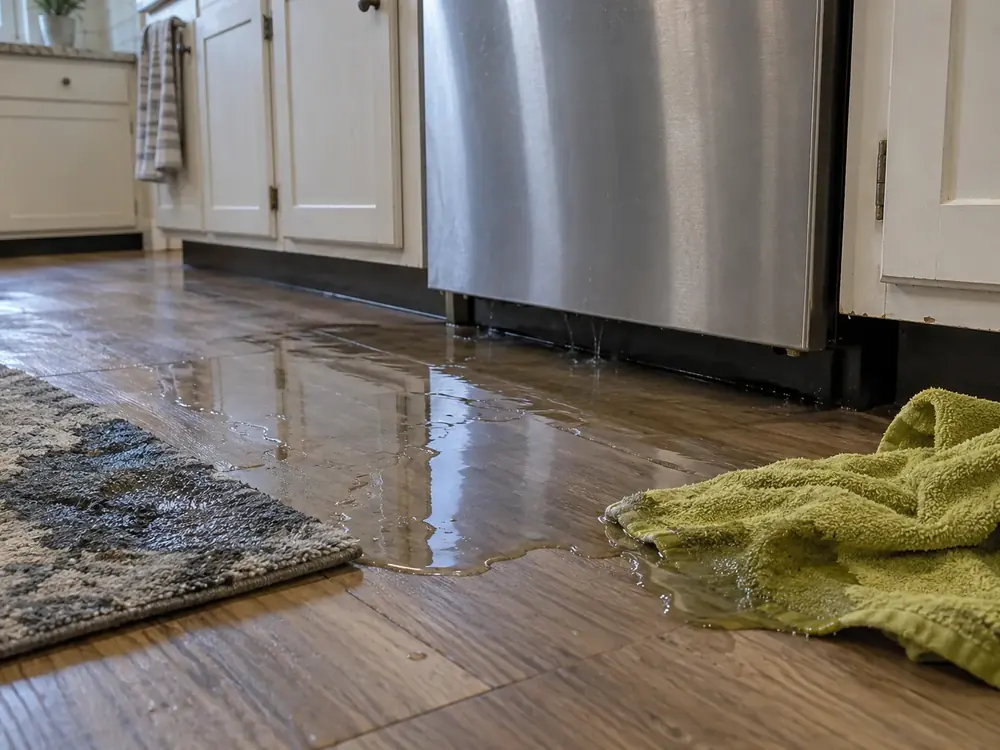
- Watch for a puddle that keeps returning after towels absorb it.
- Look for soaked rug edges beside an appliance or doorway.
- Note water collecting around a basement drain from a dry spot.
- Report rising water near baseboards without stepping into it.
A water removal emergency starts with water that keeps spreading or saturating materials beyond a manageable spill. Towels won't reveal moisture trapped beneath padding or floorboards, and a returning puddle suggests the source still needs attention. Tell your technician where the water started and which rooms look affected. Observations help shape the inspection; you don't need to enter the wet space or pull up flooring to make the call.
From Your Call to Extraction and Drying
- Call with the location of the pooled water. The professional handling your request schedules the visit and discusses any immediate safety concerns with you.
- Review the wet surfaces and source with your technician. Moisture checks identify affected layers, and you review the planned work before extraction begins.
- Clear the standing water through the agreed extraction work. Your technician selects equipment for the access and flooring, then evaluates carpet padding and adjoining materials.
- Follow the drying plan after extraction. Air movement, dehumidification and follow-up moisture readings address retained moisture before the affected space is ready for repairs.
What Affects Water Extraction Costs in Brunswick
- Call to discuss the extent of the pooled water.
- Describe which floors, carpets and nearby rooms are wet.
- Mention difficult access, sewage concerns or water still entering.
- Review extraction, material removal and drying as separate tasks.
The amount of water, the affected floor area, access for equipment and the condition of soaked materials shape the work. Wet padding or moisture beneath flooring adds tasks beyond extracting the visible puddle. Your local water damage partner walks through the proposed tasks and price with you before extraction starts. The restoration cost factors page describes how cleanup, drying and repairs contribute to the overall plan.
Practical Help for Pooled Water
- Call as soon as you notice standing water.
- Describe the affected surfaces during the call.
- Keep the work scope and documentation together.
- Calls answered 24/7: Report pooled water whenever you discover it, including overnight.
- Local extraction assessment: Local technicians in our network check water depth, access and soaked layers to plan the equipment and drying steps.
- Work explained first: Discuss the proposed extraction and its price before equipment starts removing water.
- Damage records: Photos and moisture readings document the affected rooms, alongside a written scope for insurance documentation.
Documentation for Water Extraction and Drying
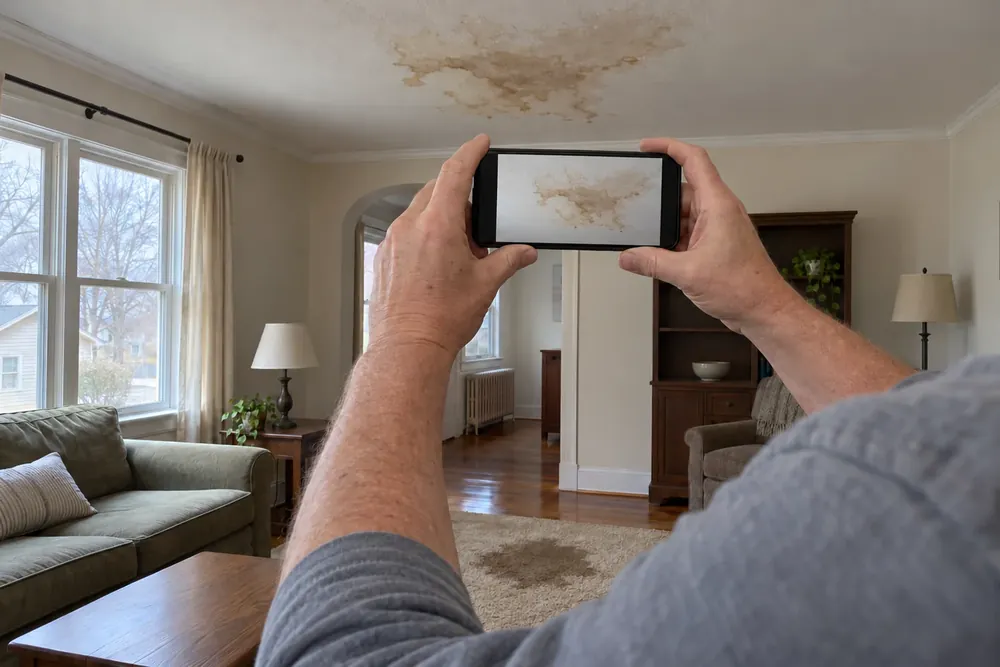
- Call now, and photograph pooled water from dry ground before items move.
- Request moisture readings for affected floors and walls.
- Keep the written extraction and drying scope.
- Retain damaged items when safe, or keep photos showing their condition.
Photos show visible water; readings add a record of moisture inside materials. Together with the written scope, those records describe the damage and proposed work without relying on memory. Use the insurance documentation checklist to organize the information.
Safe Steps While Extraction Help Is Coming
- Call for extraction help now from a dry, safe place.
- Keep away from wet outlets and appliances, following CDC electrical safety guidance.
- Leave power shutoff to an electrician if reaching the panel requires entering water.
- Keep children and pets away from floodwater, as advised in CDC floodwater precautions.
- Avoid using electrical tools while standing in water.
Water near wiring creates a shock hazard, and floodwater may contain sewage or sharp debris. A towel or dry-looking appliance doesn't establish that the room is safe. Share the location of electrical equipment and the apparent water source during your call so your technician starts with those hazards in mind.
Related Water Damage Services
Areas We Serve Around Brunswick
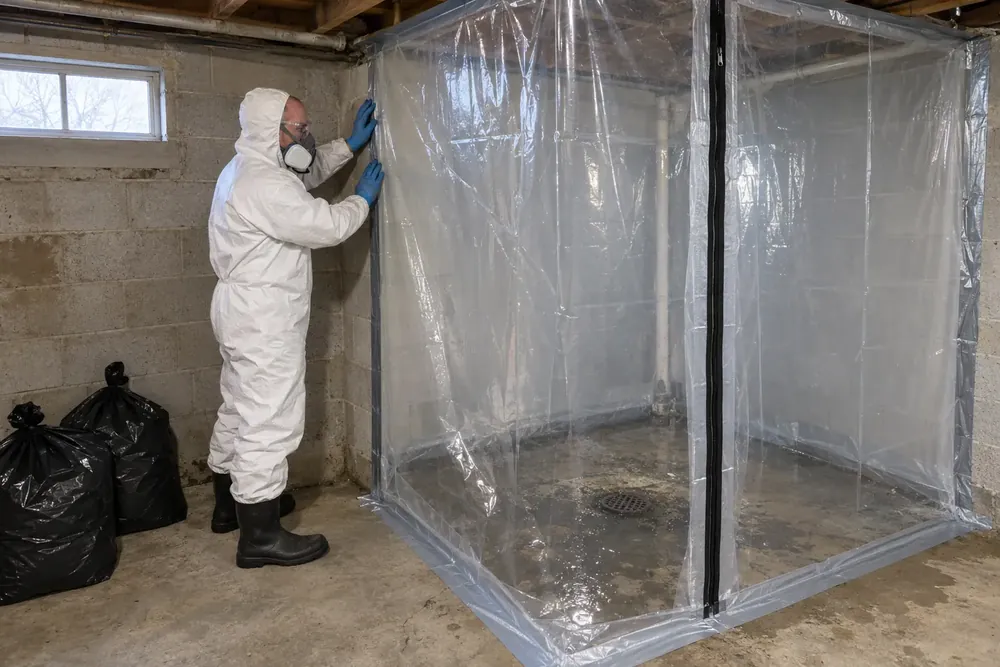
Emergency extraction serves Brunswick, Medina County and nearby Cleveland and Akron communities. Call about pooled water on floors or carpet and describe the affected space.
Call now for pooled water or saturated carpet, and start the extraction conversation from a safe location.
Call (330) 997-8922Emergency Water Extraction FAQs
What is emergency water extraction?
Emergency water extraction removes standing liquid water from floors, carpets and other accessible surfaces after a leak or flooding. Your technician checks the source and affected materials, then uses extraction equipment suited to the space. Drying follows to address moisture that remains in padding, walls or flooring after the visible water is gone.
What should I expect from water extraction services near me?
Expect an assessment of the water source, safe access and soaked materials, followed by an explanation of the extraction work. In a Brunswick home, that may include carpet and padding checks as well as removing pooled water. Your technician also identifies drying needs; lifting the liquid from the floor doesn't establish that every layer is dry.
Who handles emergency water removal near me in Brunswick?
Local water damage technicians handle standing water extraction for Brunswick homes and plan the drying steps that follow. Call and describe the flooded room or soaked carpet to start. A leaking pipe also needs repair at its source, so mention water that's still entering. Your technician explains the extraction work before it begins.
How much does removing water from a basement cost?
Basement extraction cost depends on the water volume, affected surfaces, access and the amount of cleanup or drying needed afterward. Water around a drain requires an assessment of contamination as well as depth. Call about the wet area now; your technician explains the work and price before starting. The visible puddle alone doesn't define the scope.
How does extraction fit into emergency water damage restoration?
Extraction is the stage that removes pooled water so cleanup and drying can address affected building materials. Restoration also involves moisture checks and deciding which wet layers need removal or repair. Call for the standing water now, and discuss those later tasks with your technician as part of the plan rather than assuming extraction completes the job.