
Brunswick · Medina · Strongsville · North Olmsted
Basement Water Removal in Brunswick, OH
Tap to call · answered 24/7(330) 997-8922Our local water damage professionals handle basement water removal in Brunswick, extracting standing water and drying affected floors and walls. Call now about a full sump pit, water around a floor drain or carpet wet through to the padding.
- Calls answered 24/7
- Basement Water Removal
- Brunswick and nearby towns
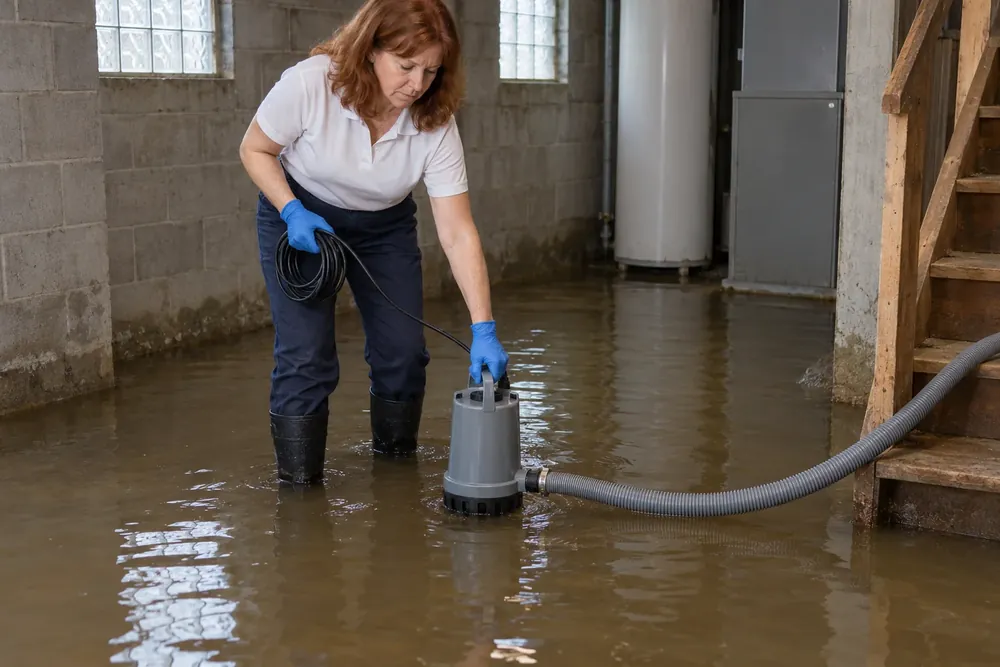
Basement Pumping, Extraction and Drying in Brunswick
- Call for basement pumping and moisture assessment.
- Report sump, drain or wall seepage during the conversation.
- Keep away from wet appliances and electrical connections.
- Sump overflow: Pump failure or storm-related power loss can interrupt pumping. Brunswick's flooding guidance identifies overflowing sump pits during heavy rain as a basement water problem.
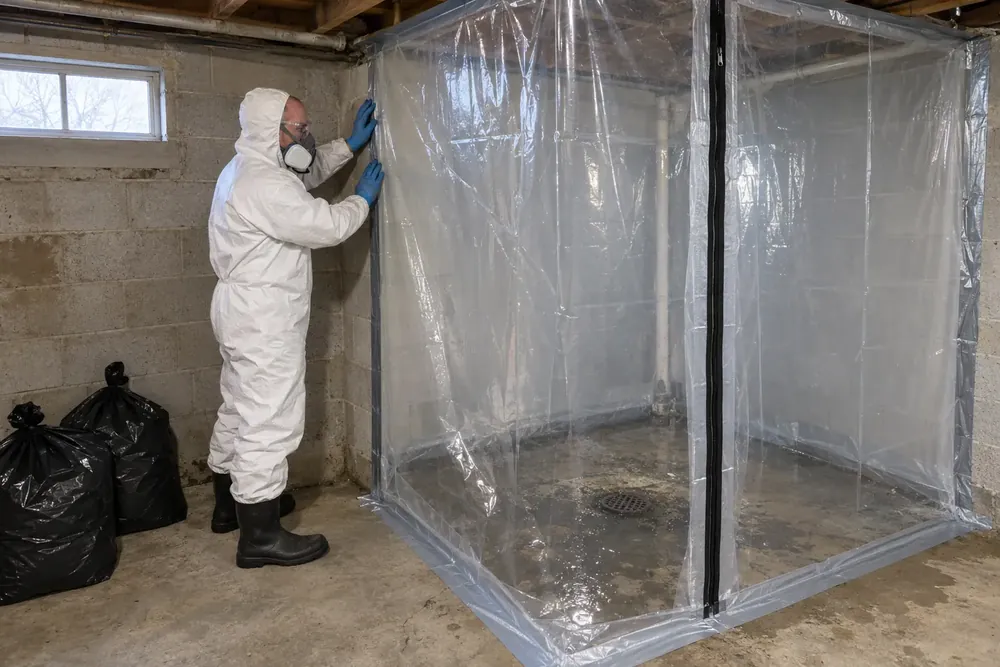
- Drain backups: Water removal from a basement includes assessing water around floor drains; suspected sewage needs contamination precautions.
- Wall seepage: Damp block walls and wet floor edges need moisture checks. The city describes saturated ground allowing water through basement wall and floor cracks.
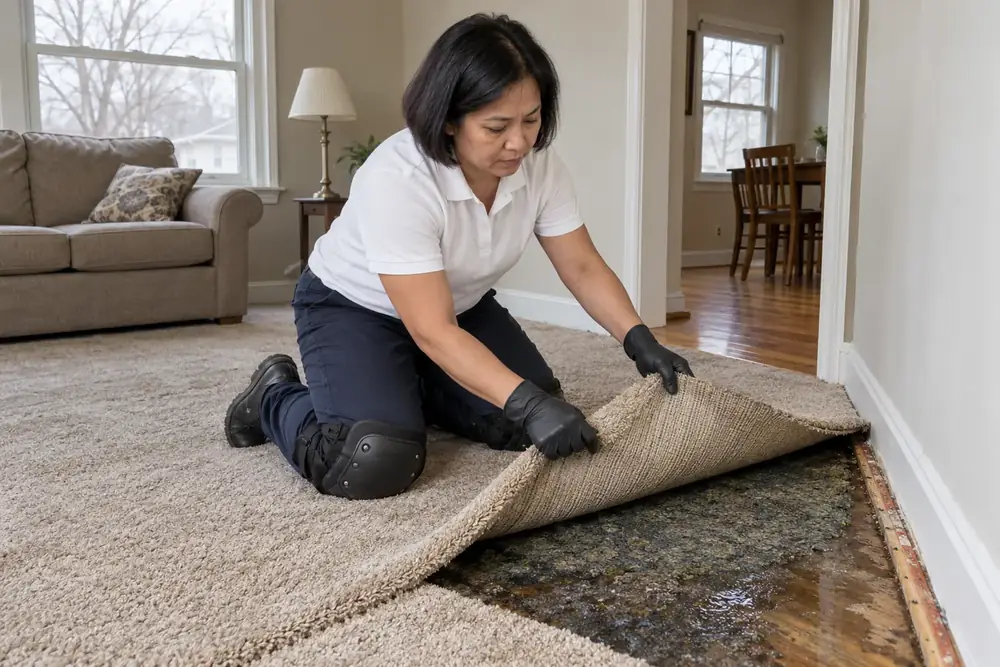
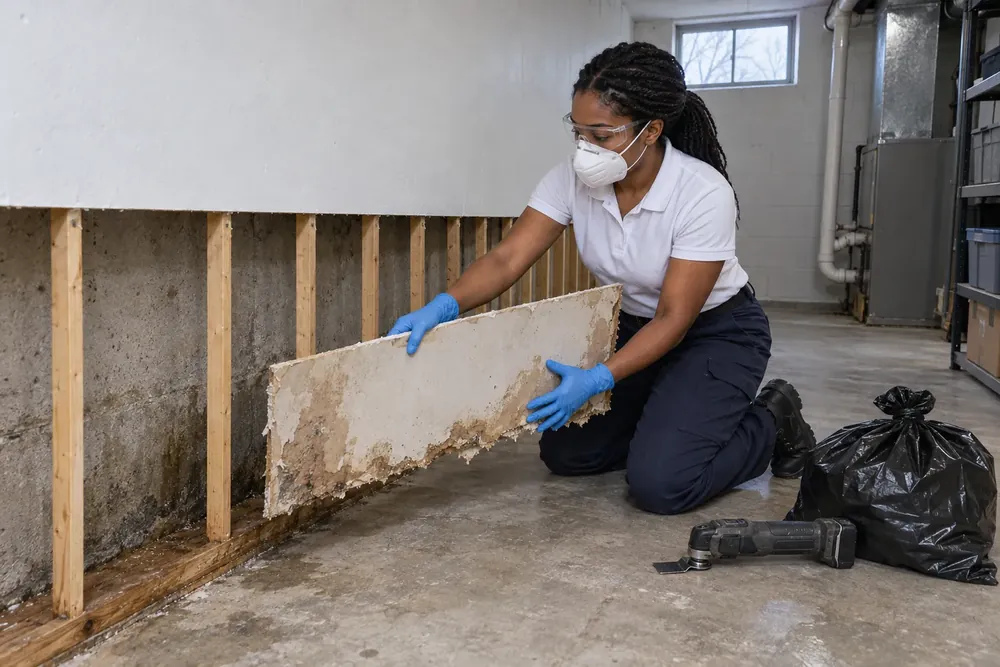
- Finished spaces: Wet carpet, padding and lower drywall are assessed for drying or removal, with access to concealed moisture where needed.
- Stored belongings: Soaked boxes and contents are separated from recoverable items after documentation and a safe assessment.
Basement flood cleanup combines standing-water removal with checking what remains wet. Describe whether your basement is finished or used for storage so your technician plans around flooring, wall cavities and belongings.
Basement Water Problems That Need Attention
- Call about a sump pit filled to the rim.
- Report water spreading outward from a floor drain.
- Look for dark seepage marks along block walls from dry footing.
- Notice carpet squishing or boxes softening at their bases.
- Point out lifting floor edges or swelling lower trim.
A full pit suggests water is accumulating faster than it is being discharged. Wet boxes and soft flooring show that moisture has reached absorbent materials, even when the puddle looks shallow. Wall staining helps locate where water traveled; moisture measurements establish how far it remains inside the basement finishes.
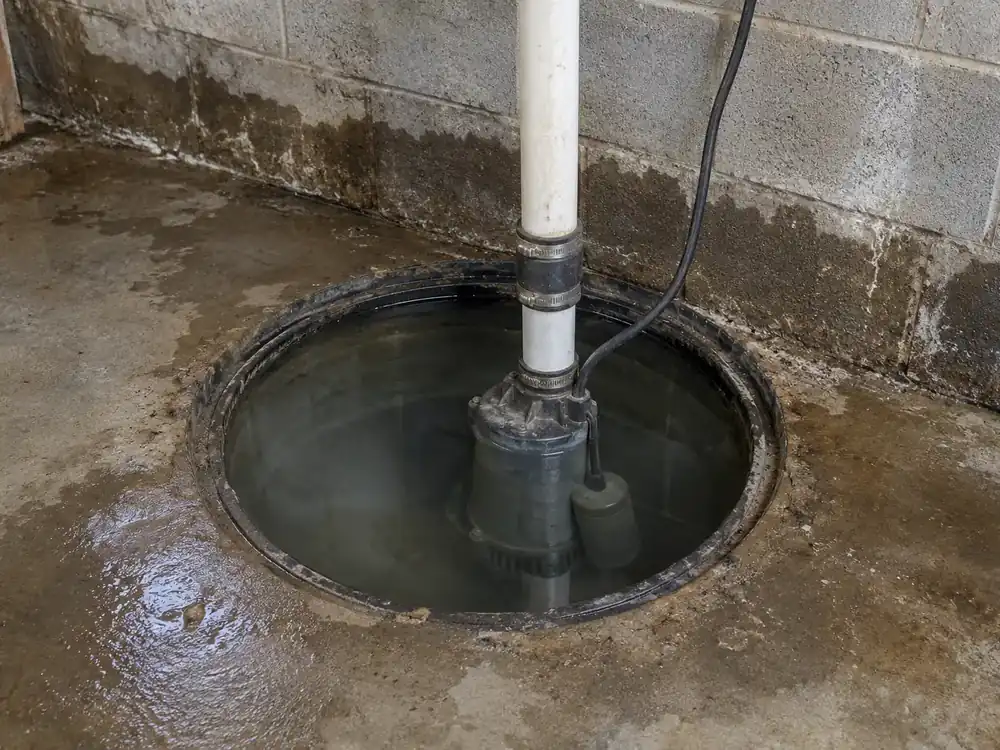
From Basement Water Removal to Moisture Checks
- Call and explain the water level and basement layout.
- Discuss safe access and the suspected sump, drain or leak problem.
- Review extraction and drying plans with your technician.
- Request a final moisture review and the repair scope.
Your technician checks conditions around appliances, stored items and finished surfaces before selecting pumping or extraction equipment. Water is removed, affected materials are assessed, and recoverable floors and framing are dried. Moisture readings track hidden dampness, while the repair scope identifies damaged finishes and any separate source repair needed to prevent water returning.
Basement Water Removal Cost Factors in Brunswick
- Call to discuss basement flood cleanup cost factors.
- Describe water depth and access to the affected space.
- Mention wet carpet, finished walls and stored contents.
- Discuss contamination precautions and drying requirements.
Depth, water source, access and material damage shape the work. One of our local water damage partners reviews what needs pumping, drying or removal and explains the price before starting. Read the restoration cost breakdown for the difference between extracting water and replacing finishes. A finished room and an unfinished storage space can require different drying and removal tasks.
Call Juniper Water Damage About a Wet Basement
- Call while basement water is collecting.
- Explain the sump and drain conditions from a dry spot.
- Discuss removal, drying and records together.
- Round-the-clock calls: Calls answered 24/7 let you report basement flooding whenever you discover it.
- Local basement help: Water damage professionals address pumping, wet finishes and concealed dampness.
- Work explained: The scope and price are discussed before basement cleanup starts.
- Useful documentation: Photographs and moisture measurements record affected surfaces and drying progress.
The conversation covers both the water you see and the flooring, walls or storage it has reached. You don't need to diagnose a failed pump to call.
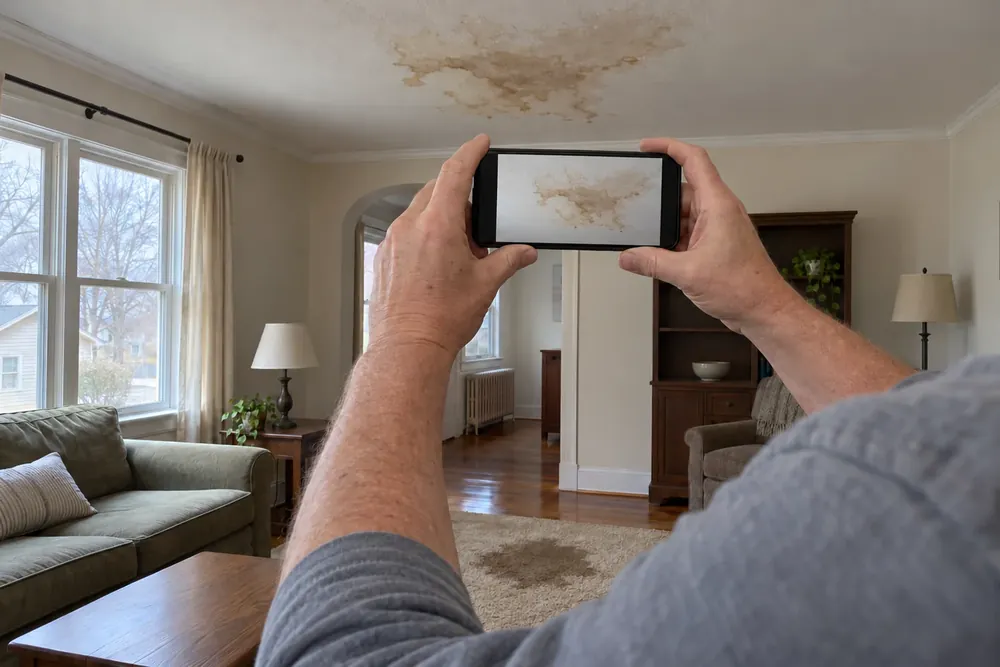
Document Basement Water and Damaged Materials
- Call and ask about recording basement damage.
- Photograph flooded areas and stored items before moving them, when safe.
- Save the moisture measurements and written removal scope.
- Retain damaged belongings safely or preserve detailed images.
Photographs show the water's reach; readings record dampness that isn't visible in a picture. Keep dates, cleanup records and item descriptions together. The water damage insurance documentation page helps organize those details without making decisions about policy terms or claims.
Basement Safety During Water Removal Planning
- Call from upstairs or another dry place and avoid floodwater, following CDC's Floodwater safety guidance.
- Leave power isolation to an electrician if reaching the switch means crossing water, as CDC's Reentering Your Flooded Home guidance directs.
- Leave immediately if you smell gas and contact emergency services from outside, following CDC's Reentering Your Flooded Home guidance.
- Keep gasoline-powered pumps outside, at least 20 feet from doors, windows and vents, under CDC's Reentering Your Flooded Home guidance.
Basement water may reach furnace controls, cords and appliances before the depth looks serious. Discuss those hazards during your call. A pump or household vacuum should not be switched on until electrical conditions are safe; read about water removal and drying while help is arranged.
Related Water Damage Services
Areas We Serve Around Brunswick
Basement pumping and drying serve homes in Brunswick, Medina, Strongsville and North Olmsted. Call about standing water, wet finishes or seepage into storage areas.
Call now for basement water removal in Brunswick and explain what you're seeing from a dry location.
Call (330) 997-8922Basement Water Removal FAQs
How does water removal from a basement work?
Basement water is pumped or extracted after a safe assessment, followed by material checks and drying. Your technician considers the water source, depth and access, plus wet walls, flooring and stored contents. Call about your Brunswick basement now; describe the water during the conversation without entering an unsafe room.
Will a pump finish water removal in my basement?
A pump removes standing water, but it does not dry carpet padding, wall cavities or framing. Extraction and controlled drying may still be needed after the floor clears. Your technician selects a water removal pump for basement conditions and checks remaining moisture. Avoid plugging equipment into circuits affected by water.
What should I do about a backed-up basement floor drain?
Call about the basement flood and arrange to clean up the damage; stay away from suspected sewage. Avoid flushing toilets or running laundry during a backup; Brunswick's official guidance warns against adding water to the drains. Tell your technician where the water appeared so contamination precautions and source assessment are included.
What affects the cost of basement water damage repair?
Basement repair cost depends on which finishes and materials need replacement after water removal and drying. Carpet padding, lower drywall, trim and damaged stored contents each affect the scope differently. Ask your technician to distinguish extraction and drying tasks from rebuilding work so you understand the proposed repairs before they begin.
Can basement carpet be dried after flooding?
Basement carpet may be dryable after some water incidents, but contamination and damage determine whether the carpet and padding need removal. Your technician assesses both layers and the floor beneath them. Report the water source during your Brunswick call; a carpet surface that feels dry does not establish that the padding is dry.