
Brunswick · Medina · Strongsville · North Olmsted
Commercial Water Damage Restoration in Brunswick, OH
Tap to call · answered 24/7(330) 997-8922Water spreading through an office, kitchen or rental unit puts business space out of use. Our local water damage professionals handle commercial water extraction and structural drying in Brunswick; call now to describe the leak.
- Calls answered 24/7
- Commercial Water Damage Restoration
- Brunswick and nearby towns
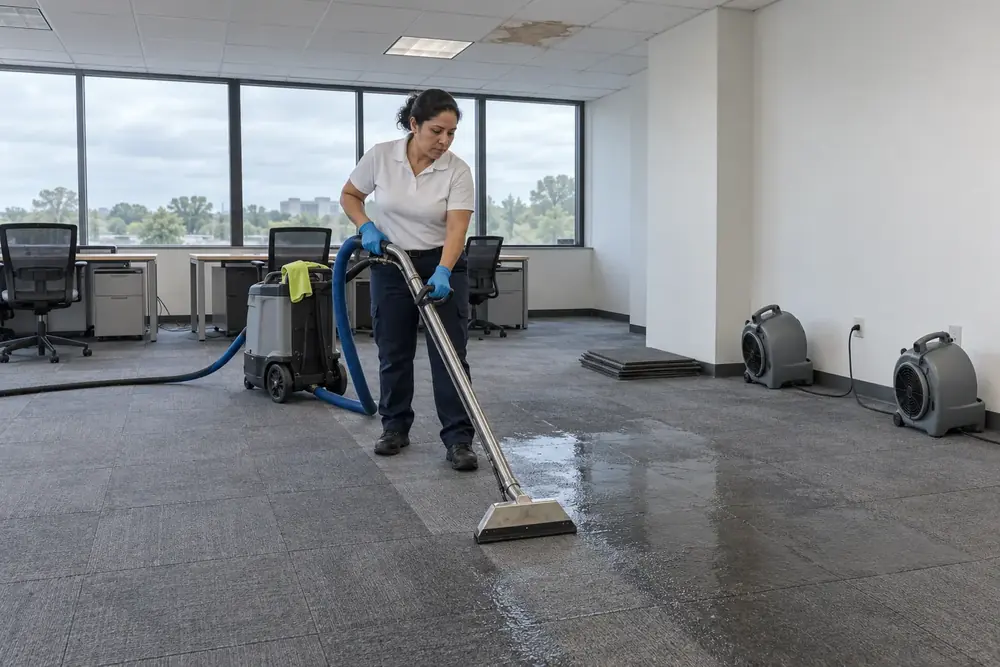
Brunswick Businesses and Rental Buildings Served
The same call covers businesses and rental buildings as well as homes; call now about commercial restoration services for the spaces below.
- Offices: Leaking supply lines or roofs wet carpet tiles and leave brown marks on suspended ceiling tiles above desks.
- Restaurants and bars: Failed kitchen supply lines spread water through dish areas, across tiled floors and around floor drains.
- Retail stores: Stockroom leaks soak cardboard packaging and merchandise stored directly on the floor, even beyond the sales area.
- Warehouses and storage: Water travels across slab floors, wets pallets and reaches goods on the lowest levels of racking.
- Apartment buildings and property managers: Apartment water damage from an upper unit can reach ceilings, walls and flooring in units below.
- Schools and churches: Leaks affect large rooms, corridors or basements, making the boundary between wet and usable space important.
- Medical offices: Supply connections serving multiple sinks and restrooms can leak into cabinets, wall cavities and neighboring rooms.
- Hotels and motels: Bathrooms stacked above one another allow a leak upstairs to affect guest rooms on more than one floor.
Common Commercial Water Damage Problems in Brunswick
- Supply and sprinkler lines: Call about water beneath piping or soaked ceiling tiles; your technician checks the materials water reached. Sprinkler-system repairs belong to the building's fire-protection contractor, separately from water damage cleanup.
- Roof leaks: Stains overhead or wet walls below the roof point to water entering from above. Your technician traces affected surfaces and checks moisture beyond the visible stain.
- HVAC overflows: Water near a condensate drain or beneath an air handler can soak surrounding flooring. Your technician checks nearby wall bases and concealed moisture.
- Restroom and floor-drain backups: Dark water, waste or a sewage odor signals contamination. Your technician assesses the affected surfaces and separates the contaminated area from occupied space.
- Kitchen line failures: Pooling beneath a dishwasher or dish sink can spread under cabinets. Your technician checks adjacent flooring and cabinet bases.
- Basements and mechanical rooms: Standing water may reach wall bases and equipment areas. Commercial flood cleanup includes assessing wet materials and staying away from electrical equipment where the ground is wet.
- Stock and inventory: Wet cartons or damp pallet bottoms show that stored goods have been reached. Your technician maps the wet storage area and documents affected materials.
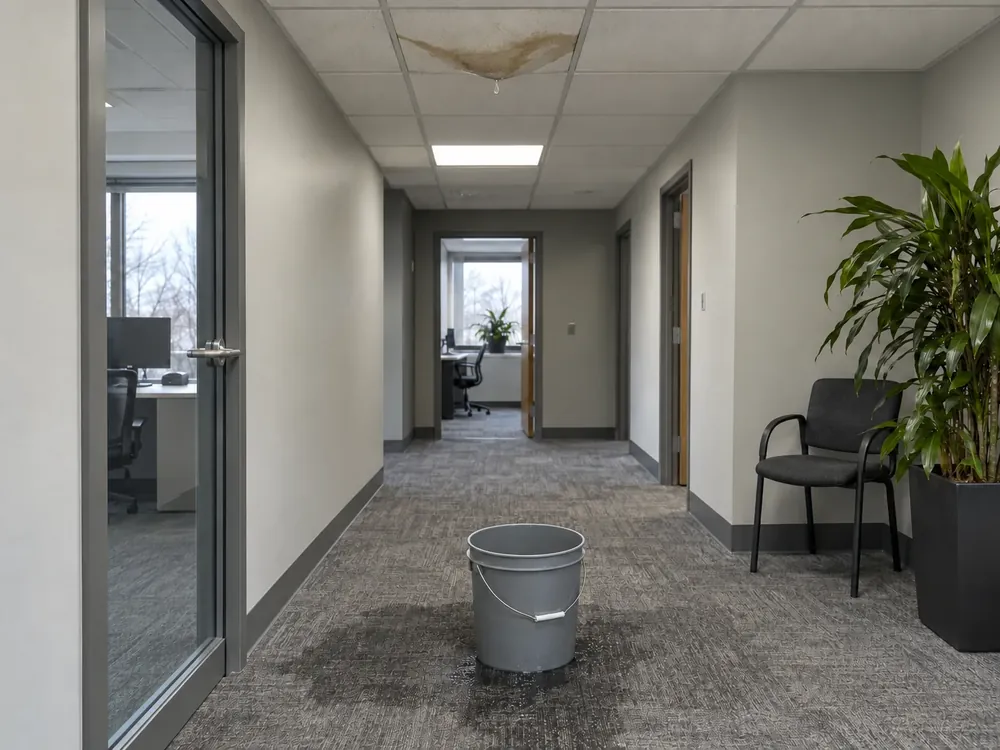
Keeping Usable Business Space Open During Cleanup
Commercial water damage cleanup sometimes allows unaffected business areas to remain open when safe access and separation are possible.
| Option | When it fits | What it involves |
|---|---|---|
| After-hours extraction | The loss allows work after closing | Standing water is removed outside business hours, with reopening based on the remaining hazards and damage. |
| Phased drying with containment | Wet areas can be separated safely | Poly sheeting with a zipper door encloses drying equipment; customers and staff stay outside the wet area. |
| Close one room or floor | Damage is limited to a separable space | The affected room or floor closes while safe, unaffected areas remain in use. |
| Full closure | A large loss prevents safe operations | Occupancy pauses while extraction, removal and drying proceed across affected business space. |
Your technician decides on site with the owner or manager which option fits the moisture readings and building layout.
The Process From Business Call to Dry Space
- Call and describe the building, where water is collecting, what it reached and whether the business is open. Share observations from a safe location.
- Discuss the affected rooms with your technician, who takes the job forward by checking the water source, wet materials and access around occupied areas.
- Review the scope and price before work begins, including extraction, drying, material removal and how the work fits around business hours.
- Keep the completion records as your technician extracts water, removes damaged materials as agreed and dries the affected structure. Moisture readings establish when drying is complete; photos, readings and a written scope document the work for the manager or owner.
Water Damage Records for Building Owners and Managers
- Call now and retain safely taken photos or video of affected spaces before anything is moved.
- Keep moisture readings and the written scope together.
- Save receipts for work and related purchases.
- Maintain a dated log of affected rooms or units and everyone notified.
A shared record helps owners, landlords and property managers track the damage, explain access restrictions and compare the agreed scope with completed work. Photos should identify the room or unit without requiring anyone to enter a hazardous area. Keep dated photos, moisture readings, the written scope and receipts so the owner or manager can hand them to the building's insurer.
Factors That Shape Business Water Damage Cleanup Costs
- Call to discuss the size of the affected area.
- Describe the water source for assessment as clean, gray or sewage-contaminated water.
- Identify wet carpet tiles, ceiling tiles, drywall and other materials.
- Share how long the water has been present.
- Discuss drying days, material removal, after-hours work and containment around occupied areas.
Costs follow the work required to reach wet materials, remove what cannot remain and dry the affected structure. Keeping part of a business open may require additional separation and access planning. One of our local water damage partners explains the proposed tasks and their price with you before the job begins. The restoration cost factors outline what changes the scope.
Why Businesses Call Juniper Water Damage
- Calls answered 24/7: Call while the business is open or closed and describe the affected rooms from a safe place.
- One point of contact: A single call puts the building's water problem in the hands of a local water damage professional.
- Clear scope: Extraction, drying, removal and price are discussed before the work begins.
- Useful records: Photos, moisture readings and a written scope give owners and managers a record of the affected spaces and work.
- Area coverage: The phone line covers business water damage around Brunswick and Medina County, extending to Cleveland and Akron.
Immediate Safety Steps for a Wet Business Building
- Call now before moving heavy stock or equipment, and avoid lifting injuries identified in OSHA's flood precautions.
- Keep customers and staff out of wet areas and off wet floors because of OSHA's electrical and contamination hazards.
- Stay clear of wet outlets, cords and equipment; shut off power only from a dry, safely accessible panel area under CDC electrical safety guidance.
- Shut off the water if you can reach the valve safely, following CDC flood precautions.
- Keep sewage and floodwater away from food and customer areas, consistent with OSHA's contamination precautions.
Separating people from the wet space reduces exposure while the damage is assessed. Food businesses follow their health inspector and applicable food code requirements; the FDA Food Code supplies the regulatory model. Where reopening authorization is required after flooding, follow FDA's direction to obtain it from the regulatory authority.
Water Damage Services for Houses as Well
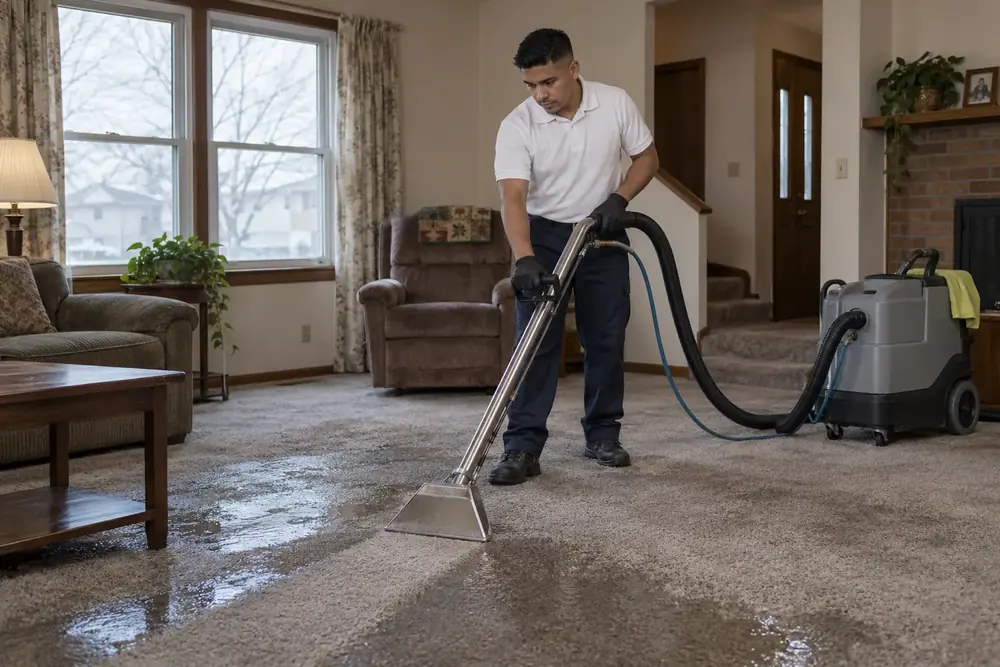
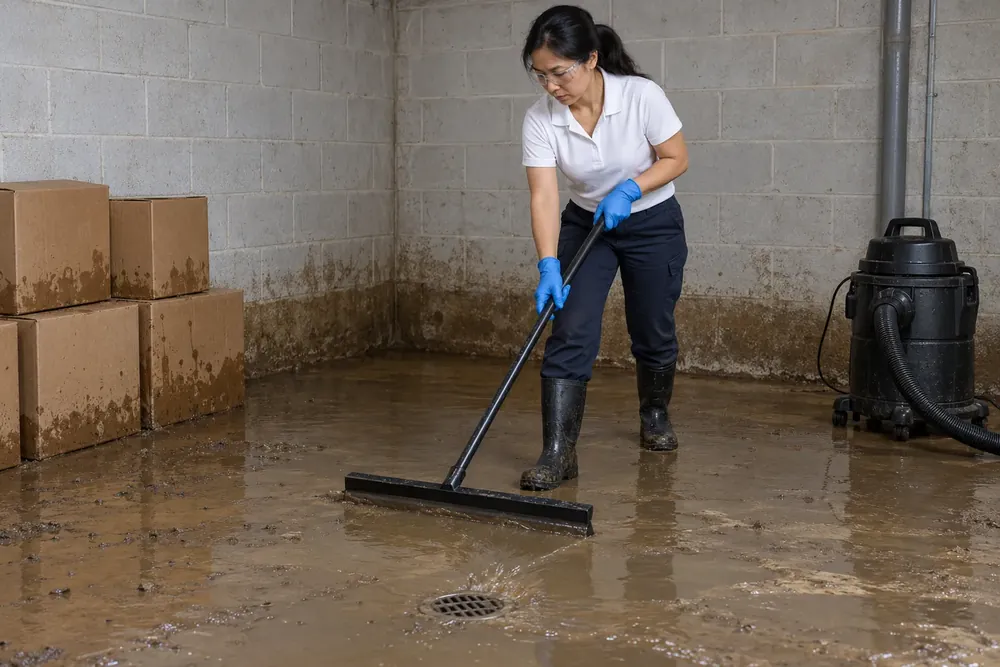
Owners and managers can use the same phone line for a water-damaged house around Brunswick. The home service cards below cover common household leaks and flooding.
Areas We Serve Around Brunswick
Businesses, property managers and landlords use this line for water removal and drying around Brunswick and Medina County, with commercial jobs also covered in Cleveland and Akron.
Call now about water in your business or rental building, and describe the affected space to start arranging cleanup.
Call (330) 997-8922Commercial Water Damage Restoration FAQs
Does this Brunswick line handle commercial water damage restoration near me as well as homes?
Yes, the same phone line handles water damage in Brunswick businesses, rental buildings and houses. Describe whether the affected space is an office, kitchen, stockroom or rental unit so the assessment addresses its use. Owners and managers can also call about a separate house without needing a different line.
Can my business stay open during the work?
Your business may stay open in safely separated, unaffected areas, depending on the damage and layout. Drying containment or closing a single room can limit access to the work area. Your technician reviews moisture readings, access routes and the building's use with you; some losses require the whole space to close.
What should a property manager do first?
Call now from a safe location and describe where the water is and which rooms or units it reached. Report whether tenants or staff are present and any visible electrical or sewage hazards. Keep people out of affected areas while you arrange the assessment; gathering photos or finding paperwork doesn't need to delay the call.
Who should call about water in a multi-tenant building?
The owner, property manager or a tenant can make the call according to the building's arrangements. Describe the affected unit and any water visible in shared corridors or adjacent spaces. Share the contact details for the person coordinating access so your technician has a clear point of contact for assessing the damage.
What records should a landlord or business owner keep?
Keep safely taken photos or video, moisture readings, the written scope, receipts and a dated log of affected rooms or units. Record who was notified and when access changed. Organized records help the people responsible for the building track the work and retain documentation for insurance without making assumptions about coverage.
Can water removal happen after business hours?
Extraction can be arranged around closing hours when the loss allows that approach. Tell your technician about customer access, tenant use and any restrictions on reaching the wet space. Drying equipment may need to keep running afterward, so the work plan also addresses separation from occupied areas and how readings will be checked.