
The Short Checklist
- Call for assessment and water removal to begin restoring the affected rooms.
- Identify the leak repair and mitigation needed to stop water damage from spreading.
- Have moisture checked inside affected materials throughout structural drying.
- Separate rebuilding from cleanup so damaged finishes are replaced after the underlying materials meet drying goals.
- Call now and describe the wet rooms.
- Stay clear of standing water near electrical equipment.
- Share the leak location without entering an unsafe area.
Water damage restoration brings affected rooms back into use through assessment, water removal, drying and necessary repairs. The work depends on where water traveled, what it soaked and whether the source is still active. A dry surface alone doesn't show whether a floor assembly or wall cavity is ready to close.
When comparing water damage restoration companies near you, look for a scope that names the stages separately. Extraction, drying and replacing finishes solve different parts of the damage; a single broad label doesn't explain which tasks are included.
Mitigation Limits Further Water Damage
- Arrange source repair alongside the cleanup call.
- Keep people away from contaminated water.
- Have wet materials assessed for drying or removal.
Mitigation limits additional damage by controlling the source, extracting water and addressing affected materials. A plumber handles a failed supply pipe; a roofer handles a roof leak. Your technician assesses the wet building materials and plans removal and drying around the source repair.
A water damage restoration service may begin with mitigation while later repairs remain a separate stage. Leaving materials wet creates a general risk of mold growth, so prompt assessment matters. Don't treat fresh paint or a new baseboard as proof that concealed moisture has been addressed.
Extraction and Drying Follow the Moisture
- Have standing water extracted from affected rooms.
- Request checks beneath flooring and behind wet finishes.
- Keep drying equipment operating as directed.
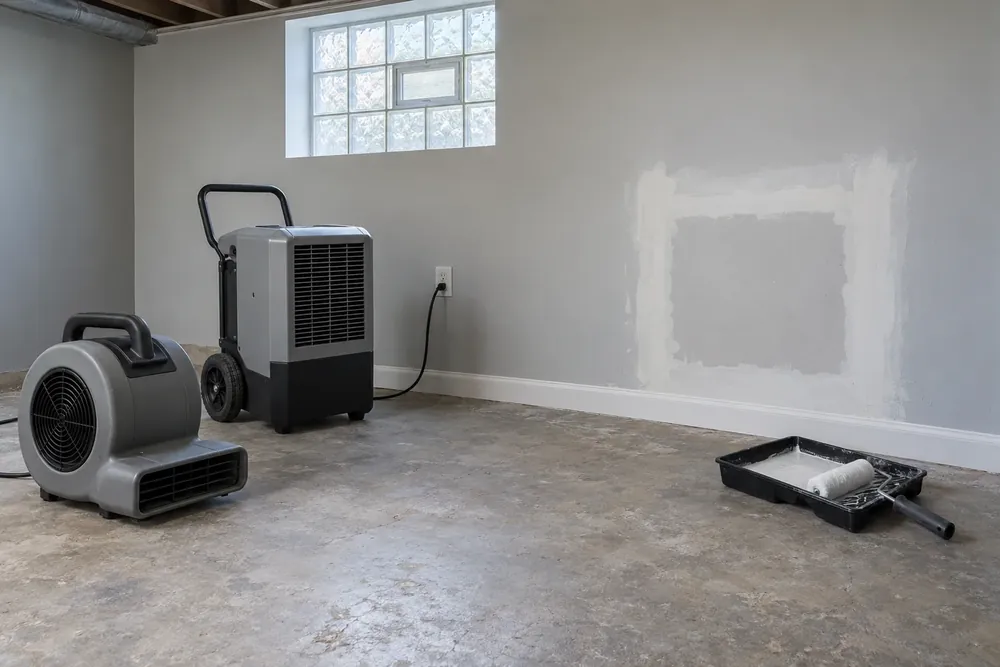
Extraction removes accessible water; structural drying addresses moisture held in materials. Your technician checks affected surfaces and accessible cavities, identifies materials that need removal, and positions drying equipment around the remaining structure. Moisture readings guide adjustments and show whether drying goals have been reached.
Water damage restoration services should describe the drying work as well as the initial removal. The structural drying page covers that stage. A soaked pad, swollen trim or contaminated porous material may require removal rather than continued drying, depending on the inspection findings.
Rebuilding Restores Damaged Finishes
- Review the moisture results before closing cavities.
- Separate finish replacement from the drying scope.
- Identify the trades needed for each repair.
Rebuilding replaces finishes or components that cleanup and drying cannot restore. Drywall repair, floor replacement, painting and trim installation may follow the moisture work. An electrician assesses affected wiring or electrical devices, while a plumber corrects damaged plumbing. The repair plan should identify those responsibilities clearly.
One of our local water damage partners explains the planned work and price before you authorize the first stage. Discuss whether the scope includes rebuilding or ends with drying, and get any changes recorded before additional work begins.
Written Scopes Keep the Stages Clear
- Save dated photos from safe locations.
- Keep moisture readings and material removal records.
- Retain the written scope and repair invoices.
Clear paperwork connects each task to an affected room or material. A water damage restoration company might use restoration as an umbrella term, while an invoice separates mitigation from reconstruction. Request descriptions of the actual work rather than relying on those labels alone.
Documentation for insurance includes photos, moisture records and a written scope. The documentation checklist helps organize those records. Keep source repair receipts with cleanup and rebuilding records so the sequence remains understandable.