
Brunswick · Medina · Strongsville · North Olmsted
Water Damage Mitigation & Structural Drying in Brunswick, OH
Tap to call · answered 24/7(330) 997-8922Call now about damp rooms or water left behind after a leak in Brunswick. Our local water damage professionals extract water, control humidity and check structural drying with moisture readings.
- Calls answered 24/7
- Water Mitigation & Structural Drying
- Brunswick and nearby towns
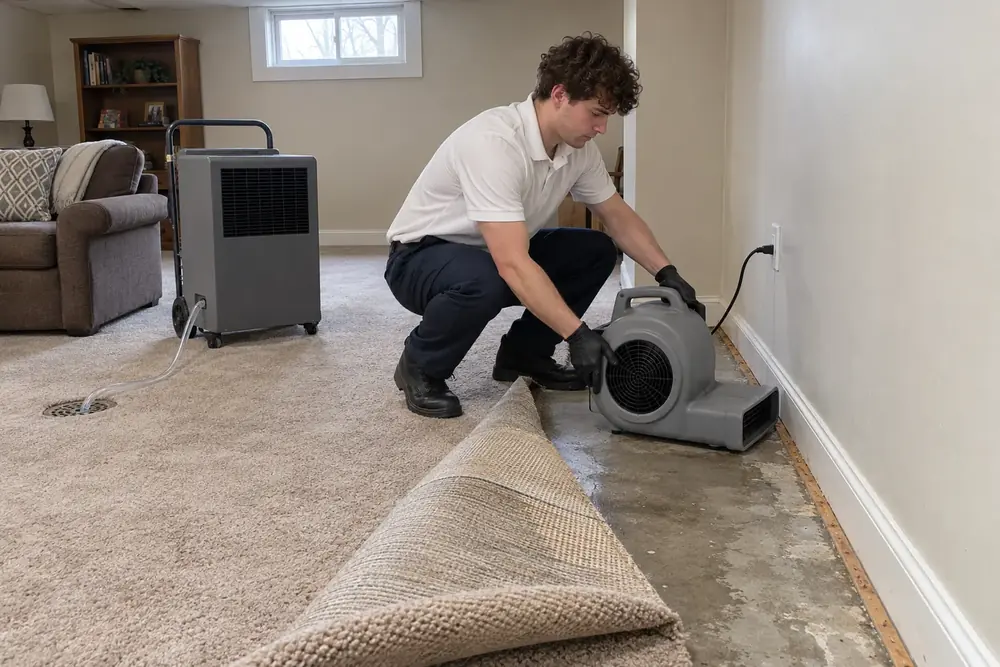
Water Mitigation and Structural Drying Services in Brunswick
- Call now about moisture remaining after a leak.
- Point out damp rooms during the conversation.
- Keep access to wet areas clear where safe.
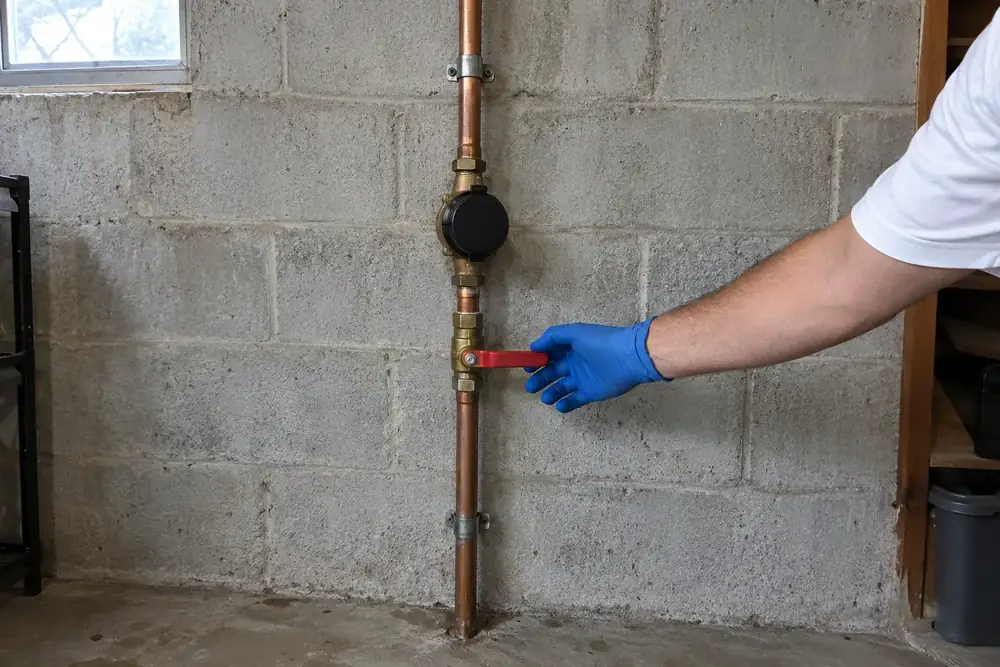
- Loss control: Mitigation limits water damage through extraction, drying and protection of unaffected materials. The source also needs attention so water doesn't keep entering.
- Air movement: Air movers direct airflow across wet surfaces. A household fan alone doesn't remove moisture trapped inside walls or control room humidity.
- Dehumidification: A dehumidifier for water damage removes moisture from the air as materials release it. Equipment placement depends on room size, temperature and the wet materials.
- Drying checks: Your technician records moisture readings and compares affected materials with appropriate dry references. Appearance alone doesn't establish that a wall cavity is ready to close.
- Seasonal conditions: Humid summers can make outside air less useful for drying. If windows stay shut during cold winter weather, controlled drying still needs airflow and moisture removal indoors.
Moisture damage repair follows the drying checks; paint or new finishes shouldn't conceal materials that remain wet.
Signs Your Home Needs Structural Drying
- Call about rooms that remain damp after extraction.
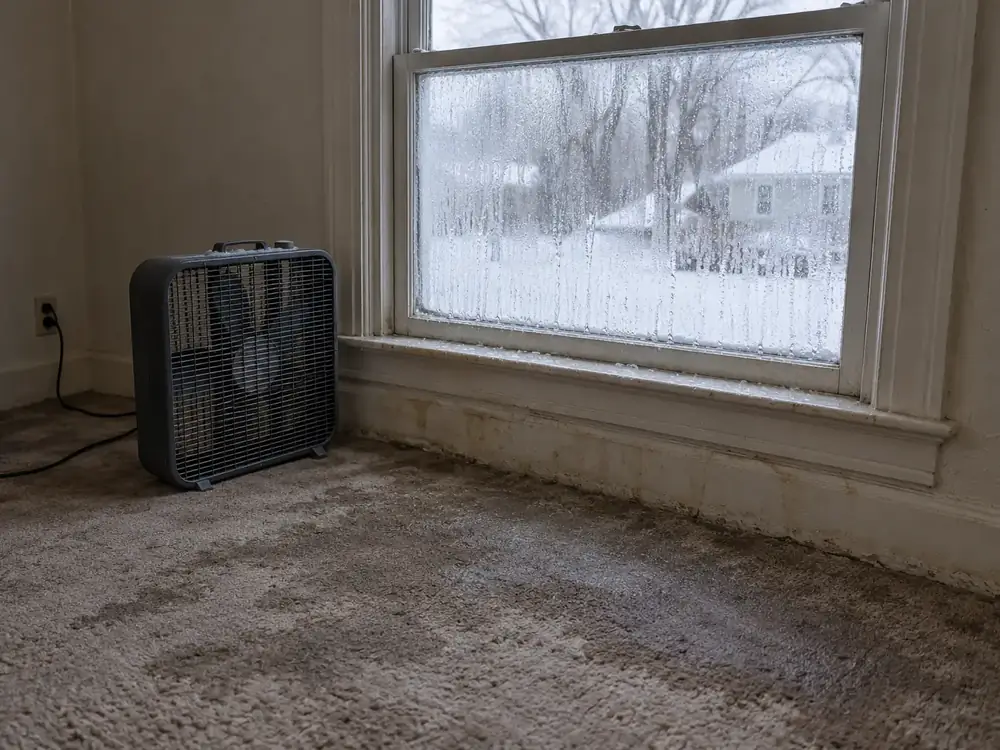
- Look for condensation on windows near wet surfaces.
- Notice soft trim or swollen wall edges.
- Report persistent musty odors without opening wall cavities.
- Check for floor seams lifting where you can stand safely.
Lingering dampness can mean water remains beneath a finish or inside a wall. Condensation signals excess moisture in the room, while swollen edges suggest materials have absorbed water. A musty smell deserves attention but doesn't identify the cause by itself. Share the signs during your call so the moisture inspection covers more than the visible puddle.
The Steps From Wet Materials to Verified Drying
- Call and describe the leak, wet rooms and any electrical hazards.
- Walk through accessible affected areas with your technician to identify wet materials and establish starting moisture readings.
- Review the extraction and drying plan, including air mover placement, dehumidification and any openings needed to reach trapped moisture.
- Discuss the final readings and repair needs when the affected materials meet the drying targets.
The drying plan changes with the readings rather than a fixed number of equipment days. Your technician checks progress and adjusts airflow or moisture removal when a surface dries faster than the material beneath it.
Factors That Shape Your Structural Drying Cost
- Call to discuss the rooms and materials affected.
- Include hidden spaces that may hold moisture.
- Review equipment needs and drying checks.
- Separate drying work from repairs to damaged finishes.
Cost depends on the wet area, material thickness, access, contamination and the drying effort required. One of our local water damage partners explains the proposed drying scope and its price with you before work begins. The restoration cost factors page covers how extraction, monitoring and repairs contribute to the work.
Why Call About Dampness That Remains
- Call when a room still feels damp.
- Describe what changed after the water was removed.
- Ask how drying progress will be recorded.
- Calls answered 24/7: Report wet materials whenever you notice them.
- Local drying professionals: Discuss moisture beneath finishes with a local water damage professional.
- A clear work plan: Review the drying scope and price before equipment is placed.
- Documented conditions: Photos and moisture readings record the affected areas for insurance documentation.
A conversation about the remaining moisture helps focus the inspection on materials that a surface cleanup may have missed.
Safety Around Wet Rooms and Drying Equipment
- Call from a dry location and stay clear of wet electrical equipment, following CDC electrical safety guidance.
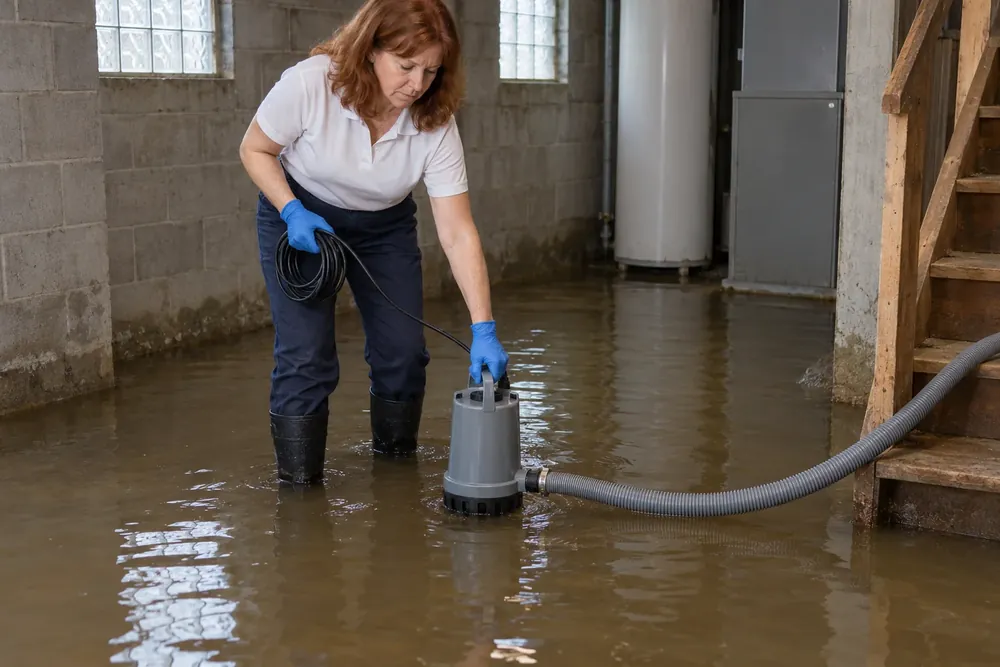
- Avoid starting fans around water suspected of contamination, as EPA advises in its drying guidance.
- Leave flood-affected heating and cooling equipment off pending professional inspection, following CDC guidance.
Water removal doesn't establish that outlets, appliances or hidden spaces are safe. Discuss electrical concerns during the call, and use the restoration checklist to understand the work. CDC safety recommendations support keeping electrical hazards and suspect water separate from ordinary household drying tasks. Let your technician plan equipment placement after the affected areas are assessed.
Related Water Damage Services
Areas We Serve Around Brunswick
Structural drying covers Brunswick, Strongsville, Medina and North Royalton, with moisture checks for affected walls, floors and concealed spaces after water enters a home.
Call Juniper Water Damage now about lingering moisture and discuss the next steps for drying your home.
Call (330) 997-8922Water Mitigation & Structural Drying FAQs
What is water damage mitigation?
Water damage mitigation limits further loss by removing water, drying affected materials and protecting nearby surfaces. For a Brunswick home, the work starts with identifying the source and measuring where moisture has spread. Repairing a plumbing fault or replacing damaged finishes may involve separate work, so discuss those tasks alongside the drying scope.
How do I arrange water damage mitigation near me in Brunswick?
Call Juniper Water Damage to start arranging a moisture assessment and drying work in Brunswick. Describe the affected rooms and whether water is still entering while you speak. There's no need to finish inspecting the house first. Keep away from wet electrical equipment, and share anything you already know about the leak.
Is a flood damage dehumidifier enough to dry my house?
A dehumidifier alone doesn't address every part of flood damage. Standing water needs removal, contaminated materials need assessment, and enclosed spaces may need access for drying. Equipment draws moisture from the air, while airflow helps wet materials release it. Your technician uses readings to judge the condition of the structure beneath visible surfaces.
How much does water damage mitigation cost?
The cost depends on the area affected, the materials holding water and the equipment and monitoring needed to dry them. A damp wall cavity requires a different approach from an exposed wet floor. Discuss access, material removal and separate repair work when reviewing the scope so the price reflects the tasks proposed for your home.
How is structural drying judged complete?
Structural drying is judged by moisture readings and suitable drying targets for the affected materials. A surface that feels dry may still conceal moisture underneath. Your technician checks the wet areas against appropriate dry references and records the results. Discuss those records before walls are closed or flooring and finishes are replaced.