
Brunswick · Medina · Strongsville · North Olmsted
Water Damage Drywall Repair in Brunswick, OH
Tap to call · answered 24/7(330) 997-8922Our local water damage professionals inspect and dry wet walls in Brunswick, removing damaged drywall where needed. Call now about bubbling paint, soft wallboard or swollen trim, and your technician takes the next steps toward drywall repair.
- Calls answered 24/7
- Drywall & Wall Water Damage
- Brunswick and nearby towns
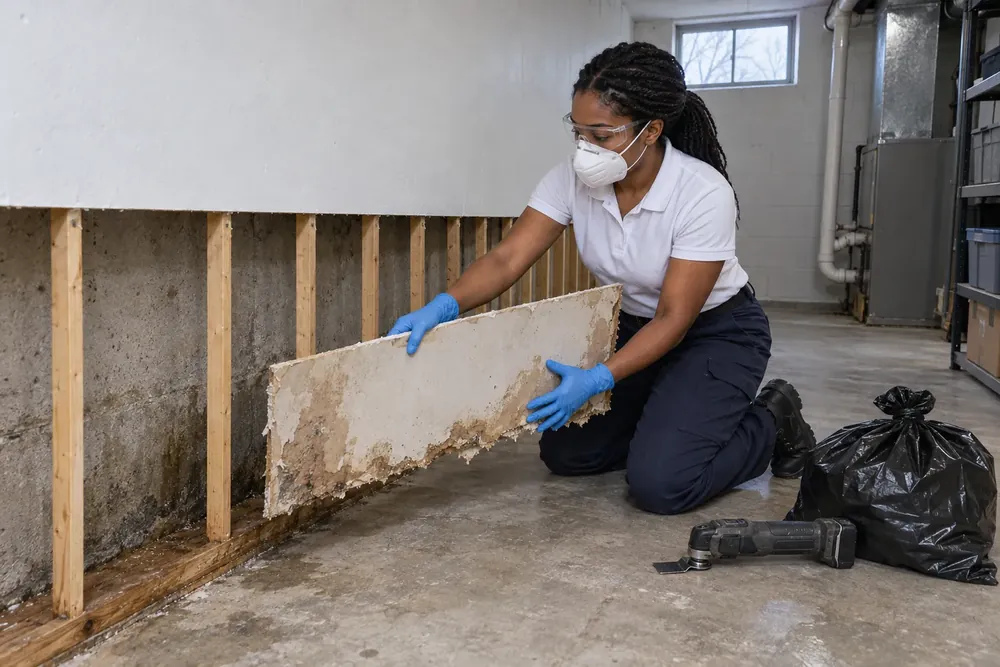
Drywall and Wall Repair Services in Brunswick
- Call about water damage on walls.
- Point out damp trim from a dry position.
- Leave wall openings to your technician.
- Moisture checks: Your technician uses moisture meters to trace water damage behind wall finishes and compare affected sections with dry materials.
- Wicking and flood cuts: Moisture can climb drywall above the visible waterline. A flood cut removes damaged lower wallboard and opens the cavity for inspection and drying.
- Trim and insulation: Baseboards may need removal to reach trapped water. Wet insulation is assessed for removal rather than hidden behind replacement drywall.
- Plaster assessment: For older Cleveland-area houses with plaster walls, the inspection accounts for plaster and its backing. Cleveland's housing guidance identifies many homes built before 1978; painted surfaces need assessment before disturbance.
- Drying in place: Clean-water damage doesn't always require demolition. Sound drywall with intact seams and no swelling may remain while moisture readings track drying; softened or contaminated board needs a different scope.
Signs Your Wet Walls Need Attention
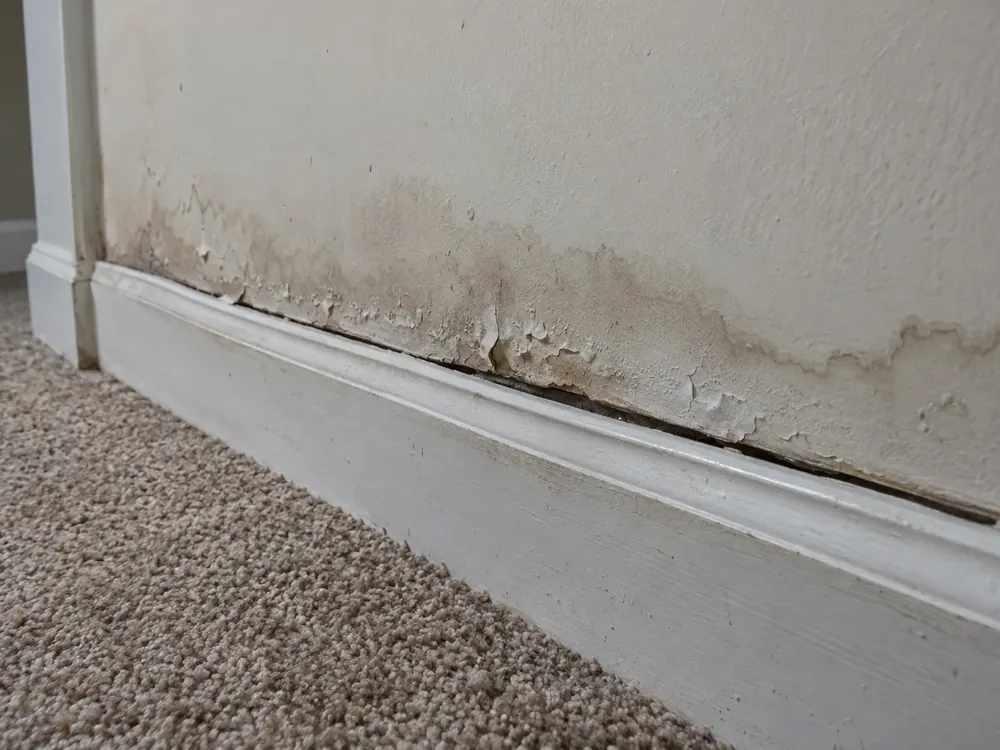
- Call when paint bubbles or peels around a damp patch.
- Look for a dark line rising above baseboards.
- Notice trim that swells or pulls away.
- Report sagging wallboard or opening seams.
- Mention a musty smell without opening the wall.
Water damage can extend beyond the visible stain, especially behind trim or inside insulated cavities. Changes in shape or texture help your technician identify areas needing measurement and possible removal. A dry-looking painted surface doesn't establish that the backing or framing has dried.
The Process for Drying and Repairing Walls
- Call and describe the wet wall, nearby plumbing and any standing water.
- Show your technician the affected rooms from a safe location.
- Review the proposed wall openings, drying plan and repair scope.
- Request final moisture readings before replacement board and trim close the wall.
The inspection establishes how far water has traveled and which materials remain sound. Your technician measures moisture, removes unsalvageable sections and directs drying into accessible cavities. Repair work follows the drying checks so fresh paint doesn't conceal damp insulation or framing.
Factors That Affect Wall Repair Costs
- Call to discuss the rooms and wall sections affected.
- Include damage behind trim and insulation in the scope discussion.
- Ask which surfaces need replacement and matching finishes.
- Review access requirements and moisture monitoring.
Water damage drywall repair cost depends on more than the stain's dimensions. Cavity access, material condition, drying needs and the amount of plaster or board being replaced all affect the work. Before work begins, one of our local water damage partners explains the planned wall repairs and their price. Read the restoration cost factors for the details that change a repair scope.
Reasons to Call Juniper Water Damage About Wet Walls
- Call as soon as you notice changing wall finishes.
- Describe the affected surface without touching wet outlets.
- Ask for the inspection findings in writing.
- Calls answered 24/7: Describe a new leak or an expanding wall stain at any hour.
- Local wall assessment: Your technician checks wet drywall, trim and accessible cavities around Brunswick.
- Clear work scope: Removal, drying and finish repairs are explained with the price before work starts.
- Useful records: Photos and moisture readings document the wall's condition for insurance documentation.
Safe Steps Around Water Damaged Walls
- Call from a dry room and keep away from standing water, following CDC floodwater guidance.
- Avoid wet outlets and electrical tools; CDC electrical precautions prohibit operating equipment while standing in water.
- Leave sanding, scraping and cutting old painted walls to the appropriate professional assessment; EPA renovation guidance warns that disturbing lead paint creates hazardous dust.
Wet wall finishes don't reveal every hazard behind them. Electrical components, trapped water and old paint need different precautions. Share the location of outlets and the wall's condition during the call without entering the damaged area or making a test opening.
Related Water Damage Services
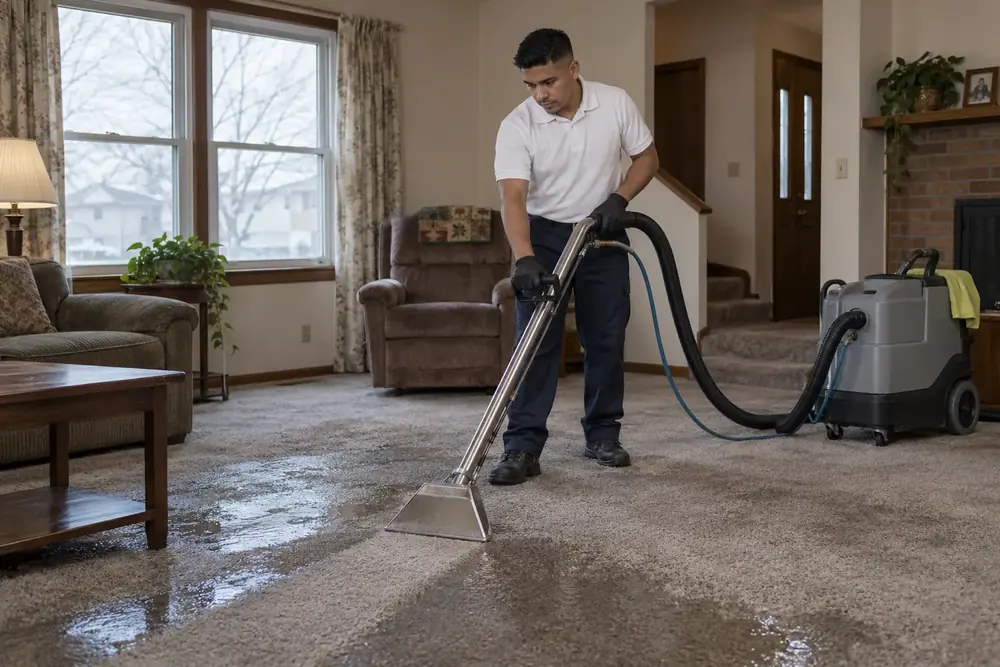
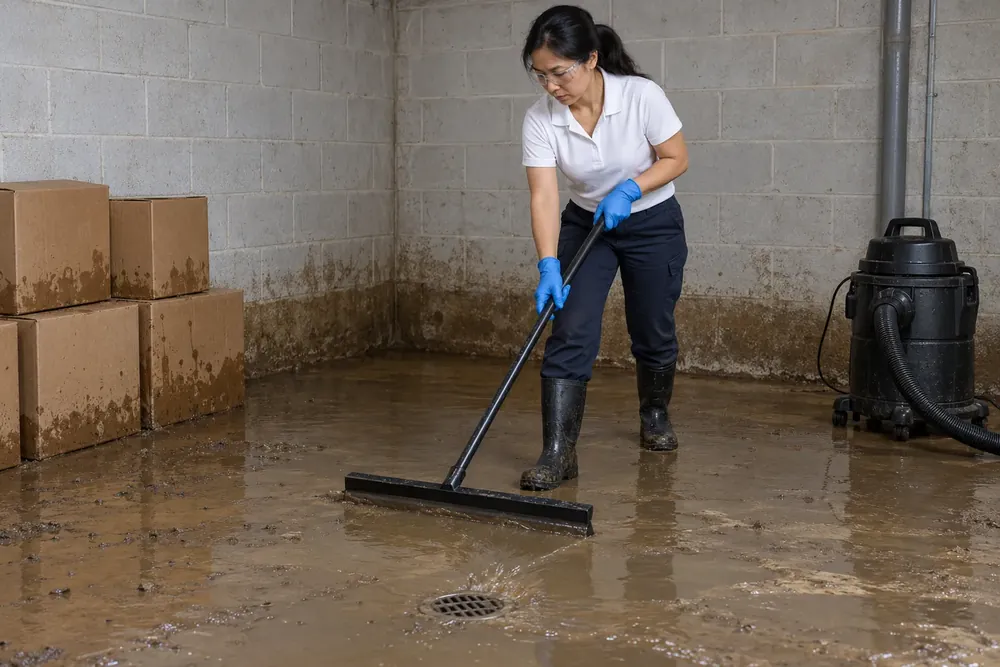
Areas We Serve Around Brunswick
Call for wet wall assessment in Brunswick, Strongsville or Medina, including damage behind baseboards, basement finishes and upstairs drywall.
Call now about wet drywall and describe the stain, swelling or loose trim from a safe spot.
Call (330) 997-8922Drywall & Wall Water Damage FAQs
Can drywall dry without being replaced?
Drywall affected by clean water may dry in place when it has no swelling and its seams remain intact. Your technician checks its condition and moisture levels, including accessible backing and cavities. Soft, distorted or contaminated material calls for removal rather than repainting. Call about the leak now; the inspection determines the repair approach.
How do you repair drywall after water damage?
Repair starts with stopping the moisture source and checking which drywall sections remain sound. Damaged board is removed as needed, exposed cavities are dried, and moisture readings guide when rebuilding begins. Replacement sections then receive joint finishing and paint. In a Brunswick home, include nearby trim and insulation in the inspection rather than treating only the visible mark.
What does a flood cut do?
A flood cut removes a horizontal section of damaged lower wallboard to expose the cavity behind it. Your technician sets the cut height from the damage and moisture findings rather than copying the visible waterline. The opening gives access to wet insulation and framing. It doesn't mean every wall in the room needs full replacement.
How do you repair a wall after water damage affects plaster?
Plaster repairs require checking the plaster's attachment, its backing and moisture inside the wall before choosing a repair method. Loose or damaged sections may need removal, while sound areas need assessment for drying. Tell your technician whether the wall is plaster or drywall if you know. Avoid scraping or opening old painted surfaces yourself during that assessment.
Will painting over a water stain fix the damage?
Painting over a stain won't remove trapped moisture or restore softened wallboard. The leak source, material condition and drying progress need attention before cosmetic finishing. For water damage wall repair in Brunswick, your technician checks beyond the painted face where access allows. Photos and recorded readings help document why a section was retained or removed.